Dar es Salaam — "Haven of Peace" in Arabic — is Tanzania's largest city and its beating commercial heart, a sprawling, humid harbour town on the Indian Ocean where dhows still sail past container ships and the call to prayer mixes with reggae and taarab music drifting from market stalls. Founded by the Sultan of Zanzibar in the 1860s and later shaped by German and British colonial rule, it wears its layered history in its architecture: Art Deco facades, Asian-influenced shopfronts and waterfront colonial buildings all crowd together along streets that hum with bajaji tuk-tuks and street vendors.
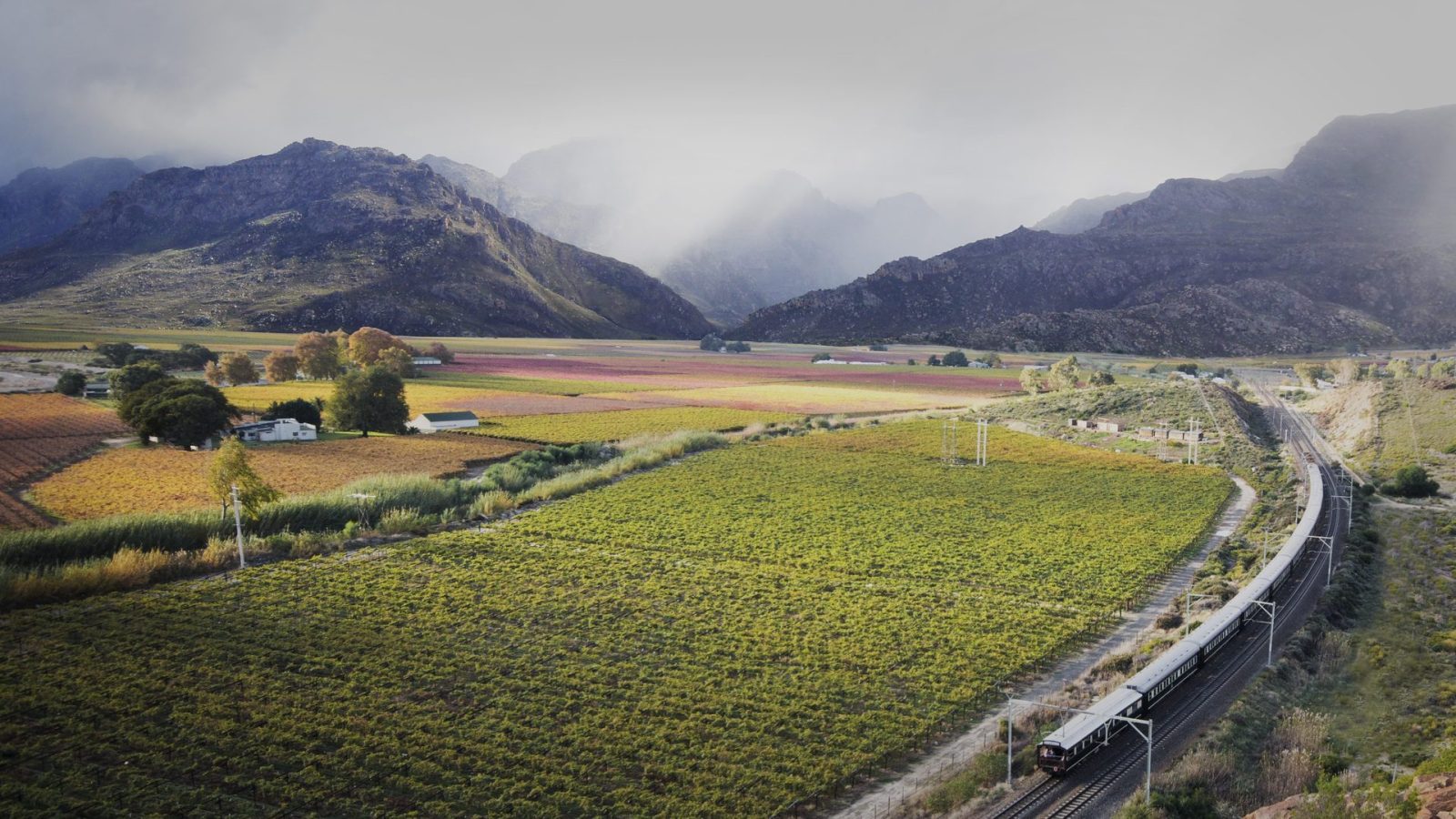
For travellers, Dar es Salaam is best known as a gateway — to the white beaches of Zanzibar just offshore, to the safari circuits of the interior, and, for rail enthusiasts, as the dramatic starting point of one of the world's great train journeys. Here the Pride of Africa, operated by Rovos Rail, begins (or ends) its legendary route, carrying guests out of the city and across the TAZARA line into the vast Selous Game Reserve before threading through the Great Rift Valley on its way to Zambia, Zimbabwe, Botswana and ultimately Cape Town.
A day or two in Dar es Salaam before boarding is time well spent: it lets you feel the pulse of East Africa's Swahili coast before the slow, scenic immersion of rail travel takes over.
- ✦Starting point of Rovos Rail's Pride of Africa to Cape Town
- ✦Swahili coast markets: Kariakoo and Kivukoni
- ✦Colonial-era landmarks: Azania Front Church, St Joseph's Cathedral
- ✦National Museum and open-air Village Museum
- ✦Gateway to Zanzibar and the Selous Game Reserve
- ✦Fresh seafood and spiced pilau on the Msasani waterfront
- ✦Historic TAZARA railway terminus
Places to See in Dar es Salaam
National Museum and House of Culture
Tanzania's flagship museum, opened in 1940, houses treasures spanning archaeology, palaeontology and history — including some of the fossil discoveries made by the Leakeys at Olduvai Gorge — alongside ethnographic exhibits on tribal customs, crafts and contemporary Tanzanian art.
Village Museum (Makumbusho)
An open-air museum on the city's outskirts recreating traditional homesteads from more than a dozen Tanzanian ethnic groups, with craft demonstrations in pottery, basketry and woodcarving, plus lively daily performances of traditional tribal music and dance.
Kariakoo Market
The city's largest and most vibrant market, a multi-block maze of stalls selling fresh produce, spices, textiles and household goods — the best place to feel the unfiltered daily rhythm of Dar es Salaam and sample street food along the way.
St Joseph's Metropolitan Cathedral
A striking twin-spired Gothic Revival cathedral completed by German missionaries in 1902, its harbourside setting making it one of the city's most photographed colonial-era landmarks.
Azania Front Lutheran Church
A red-roofed German colonial church dating to 1898, sitting directly on the harbour waterfront and offering some of the best views over the port and its dhows.
Msasani Peninsula and Coco Beach (Oyster Bay)
The city's most fashionable seafront strip, popular at sunset for its beach bars, seafood grills and views out toward the Indian Ocean.
Dar es Salaam Harbour and Kivukoni Fish Market
Watch the working harbour come alive at dawn as fishing boats and dhows land their catch at Kivukoni, one of the liveliest and most authentic fish markets on the East African coast.
Bongoyo Island
A short boat ride offshore, this small marine-reserve island offers white sand, snorkelling over coral reefs and a relaxed escape from the city before or after a rail journey.
TAZARA Railway Station
The historic terminus of the Tanzania–Zambia Railway, built with Chinese assistance in the 1970s — and the atmospheric departure point where guests board the Pride of Africa to begin the rail journey south.
Food & Gastronomy
Dar es Salaam sits at the crossroads of Swahili, Arab, Indian and Bantu culinary traditions, and nowhere is that fusion more evident than on its streets and in its home kitchens. Coastal spices, coconut, seafood and slow-grilled meats define a cuisine that is aromatic, generous and best eaten with your hands.
- Mishkaki — marinated beef, goat or chicken skewers grilled over open charcoal, sold at street stalls across the city and typically served with chapati and kachumbari, a fresh tomato-and-onion salad.
- Pilau — fragrant spiced rice cooked with meat, cloves, cardamom and cinnamon, a legacy of centuries of Arab and Omani trade along the Swahili coast.
- Ugali — a firm, dense maize porridge that anchors most main meals, eaten by hand alongside stewed meat, fish or vegetables.
- Samaki wa kupaka — grilled fish bathed in a rich coconut-and-turmeric sauce, a hallmark Swahili coastal dish.
- Zanzibar mix (Zanzibar mchanganyiko) — a popular street snack of crispy fritters, cassava chips and boiled potato tossed in a spiced tamarind sauce, reflecting the close food ties between Dar es Salaam and nearby Zanzibar.
- Chapati and samosas — everyday staples introduced by Indian traders and now fully woven into Tanzanian daily eating.
- Coconut and cashew specialties — from coconut rice to roasted cashews, reflecting the tropical produce of the coastal region.
The Kariakoo and Kivukoni markets are the best places to graze on street food, while beachfront grills along Msasani Peninsula serve fresh-caught seafood as the sun sets over the harbour — a fitting last supper in the city before boarding the Pride of Africa for the journey south.