Inverness sits at the mouth of the River Ness, where it meets the Moray Firth, and has long been known as the capital of the Scottish Highlands. Compact and walkable, the city blends a lively riverside centre — anchored by the red-sandstone turrets of Inverness Castle — with immediate access to some of Scotland's most storied landscapes, from Loch Ness to the moor at Culloden where Highland history turned forever.
For travellers, Inverness is less a single destination than a launchpad: within an hour you can be beside the loch famously said to hide a monster, wandering a whisky distillery, or standing on a battlefield that shaped the fate of the Highland clans. The city itself rewards a slower look too, with its cathedral, museum, and a food and whisky culture built on centuries of Highland tradition.
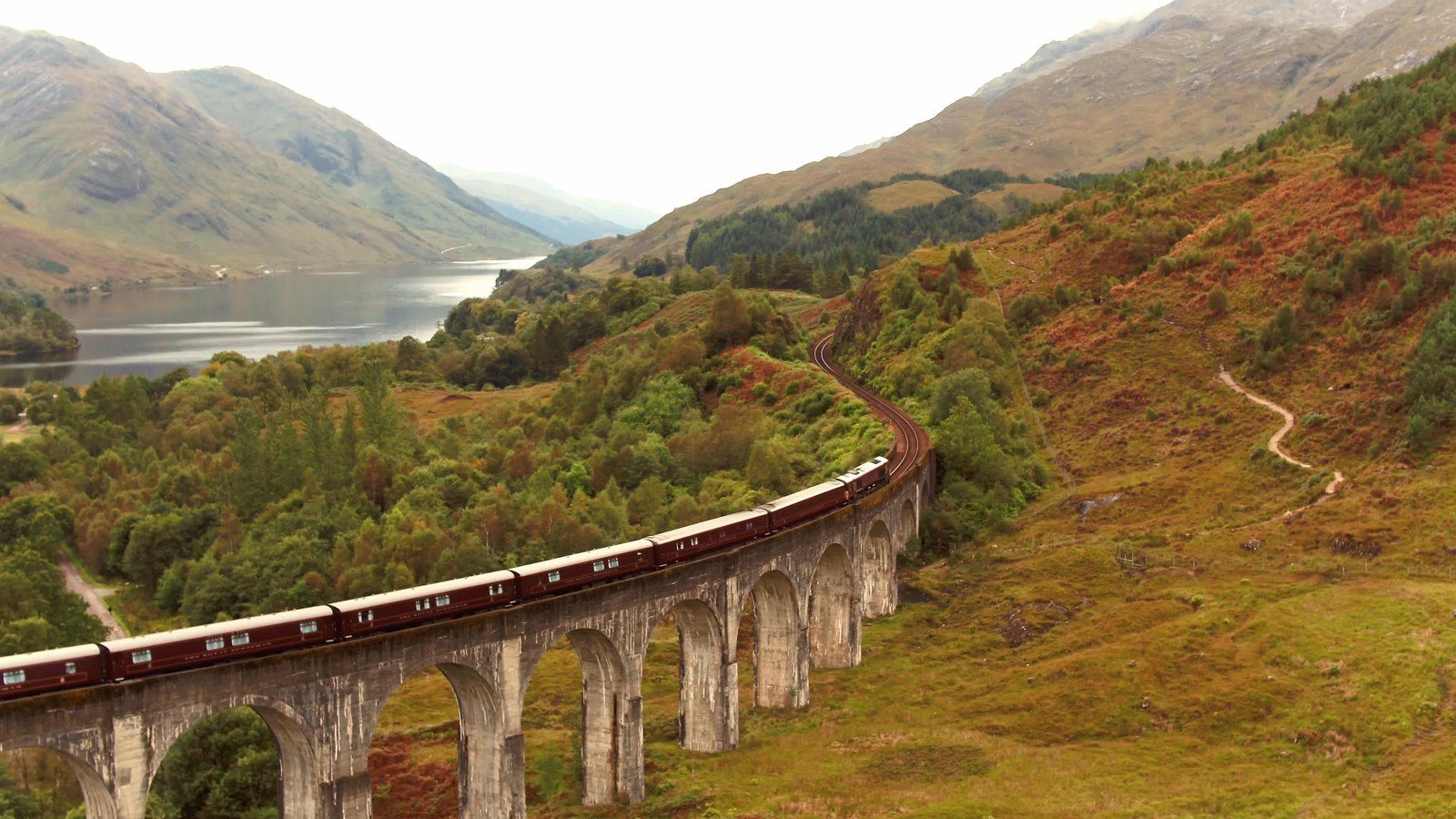
Inverness is one of the great stops on the Royal Scotsman, a Belmond Train, whose Highland itineraries thread through this very landscape of lochs, glens, and castles. Arriving by luxury train turns the journey itself into part of the experience, with the Highlands unfolding past the window long before you ever set foot on the platform.
- ✦Riverside Inverness Castle and cathedral
- ✦Boat cruises on Loch Ness
- ✦Ruined clifftop Urquhart Castle
- ✦Culloden Battlefield and Clava Cairns
- ✦Speyside whisky distilleries nearby
- ✦Highland game and fresh salmon dining
- ✦Aboard the Royal Scotsman, a Belmond Train
Places to See in Inverness
Inverness Castle
The pink sandstone castle overlooking the River Ness is the city's defining landmark. The current 19th-century structure sits on a site fortified since medieval times, and its visitor experience explores Highland history and the sweeping views over the city and firth.
Loch Ness
Scotland's most famous loch begins just a few miles from the city centre. Boat cruises from Inverness or nearby Drumnadrochit take in the deep, dark waters long associated with the Loch Ness Monster, along with the ruins of Urquhart Castle on its banks.
Urquhart Castle
One of Scotland's largest and most dramatic ruined castles, perched on the shore of Loch Ness. Centuries of conflict between Scottish and English forces left it in ruins, and its clifftop remains are among the most photographed sights in the Highlands.
Culloden Battlefield
A short drive east of the city, this moor was the site of the final Jacobite Rising battle in 1746, where the Hanoverian army defeated Bonnie Prince Charlie's forces. The National Trust for Scotland visitor centre and marked battlefield paths tell the story of the clans who fell here.
Clava Cairns
Near Culloden, this atmospheric Bronze Age site holds a remarkably well-preserved group of prehistoric burial cairns and standing stones, predating the Egyptian pyramids and still used for ceremonial gatherings by some visitors today.
Inverness Cathedral
Sitting on the banks of the River Ness, this red sandstone Victorian cathedral was the first new cathedral built in Britain since the Reformation, notable for its twin spires and riverside setting.
Ness Islands
A chain of small wooded islands linked by Victorian footbridges across the River Ness, a favourite spot for a riverside stroll just minutes from the city centre.
Highland Museums and Old Town
Inverness Museum and Art Gallery traces Highland history, archaeology, and the story of the clans, while the winding lanes of the Old Town around Church Street and the Victorian Market are ideal for browsing tweed, tartan, and Highland crafts.
Food & Gastronomy
Inverness sits at the heart of Highland food and drink culture, drawing on the region's rivers, glens, and coastline. Menus lean heavily on game, seafood, and the whisky that has made the surrounding area world-famous.
- Haggis, neeps and tatties — Scotland's national dish, a savoury pudding of oats, spices, and offal served with mashed swede and potatoes, found on nearly every traditional Highland menu.
- Cullen skink — a rich, smoky soup of smoked haddock, potatoes, and cream, originating on the nearby Moray coast and a Highland classic.
- Highland game — venison, grouse, and pheasant from the surrounding estates appear on menus throughout the city, often served with berry or whisky-based sauces.
- Scottish salmon — wild and farmed salmon from Highland rivers and lochs, served smoked, grilled, or cured, is a signature of the region's seafood tradition.
- Single malt whisky — Inverness is the gateway to the Speyside whisky region, home to distilleries such as Glenfiddich, Macallan, and Glenlivet, and whisky tastings and distillery tours are a highlight of any visit.
- Cranachan and shortbread — classic Scottish desserts of whipped cream, toasted oats, raspberries, and whisky, alongside buttery shortbread, round out a Highland meal.
The Victorian Market in the city centre and the weekly farmers' markets are good places to sample local cheeses, oatcakes, and baked goods, while riverside pubs along the Ness offer traditional fare alongside a dram of local whisky.