Kuala Lumpur is Malaysia's electric capital, a city where Moorish-domed colonial buildings, gleaming glass skyscrapers, and centuries-old temples share the same skyline. Shaped by Malay, Chinese, Indian, and British influences, "KL" rewards visitors with a genuinely multicultural rhythm of life — call to prayer, temple bells, and sizzling wok stations all within a few blocks of one another.
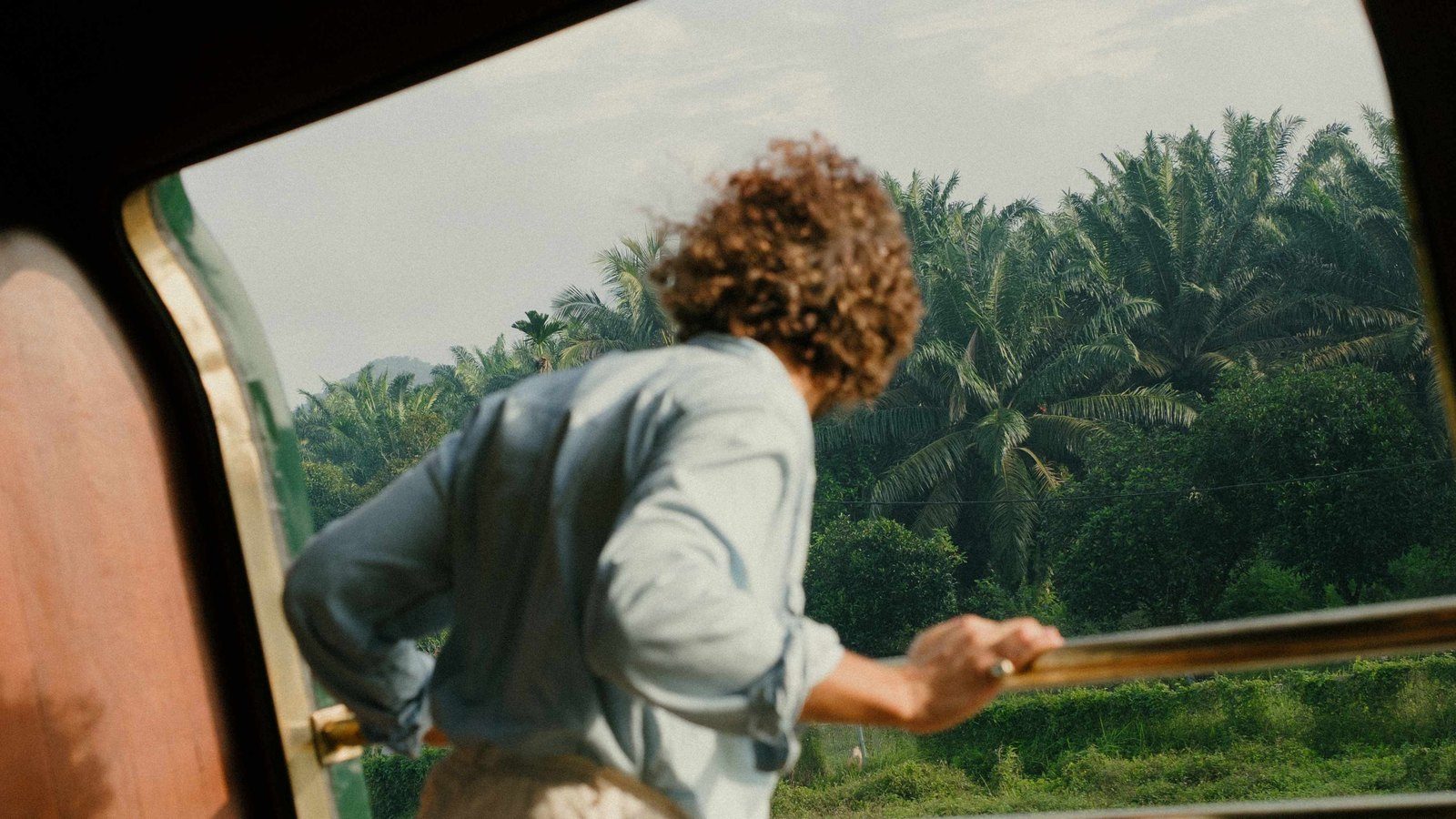
For rail travellers, Kuala Lumpur holds a special place as a terminus of the legendary Eastern & Oriental Express, the classic luxury train that links the city with Singapore and Bangkok through the jungles and rubber plantations of the Malay Peninsula. Arriving into or departing from KL by vintage carriage, complete with teak panelling and white-gloved stewards, is one of the great romantic entrances to any Asian capital.
Whether you're spending a pre- or post-cruise night in the city or beginning an Eastern & Oriental Express journey here, Kuala Lumpur offers enough world-class sights, shopping, and food to fill several unforgettable days.
- ✦Petronas Twin Towers and Skybridge
- ✦Sacred Batu Caves and golden Murugan statue
- ✦Colonial Merdeka Square
- ✦Multicultural hawker food scene
- ✦Historic Chinatown and Petaling Street
- ✦Islamic Arts Museum Malaysia
- ✦Eastern & Oriental Express terminus city
Places to See in Kuala Lumpur
Petronas Twin Towers
Once the tallest buildings in the world, these 88-storey steel-and-glass towers designed by César Pelli remain Kuala Lumpur's defining symbol. The Skybridge on the 41st floor and the observation deck near the top offer sweeping city views, while the surrounding KLCC Park and Suria KLCC mall make it an easy half-day outing.
Batu Caves
A short trip north of the city centre, this limestone hill riddled with Hindu temple caves is guarded by a towering golden statue of Lord Murugan and a rainbow-painted staircase of 272 steps. It remains an active pilgrimage site and the dramatic focus of the annual Thaipusam festival.
Merdeka Square and Sultan Abdul Samad Building
The green expanse of Merdeka Square is where Malaysia's independence was declared in 1957. It's flanked by the Moorish-style Sultan Abdul Samad Building with its distinctive copper domes and clock tower, one of the city's most photographed colonial-era landmarks.
Central Market and Kasturi Walk
Housed in an Art Deco building dating to 1888, Central Market is a hub for Malaysian arts, crafts, and souvenirs, from batik textiles to pewter ware. The adjoining Kasturi Walk night market adds hawker stalls and street performers after dark.
Menara KL (KL Tower)
Perched atop Bukit Nanas, one of the city's last patches of primary rainforest, this telecommunications tower offers panoramic views that rival the Petronas Towers, along with a revolving restaurant and an open-air Sky Deck for the more adventurous.
Islamic Arts Museum Malaysia
One of the finest museums of its kind in the world, with galleries devoted to Islamic architecture, textiles, ceramics, and manuscripts drawn from across the Muslim world, set within the tranquil Perdana Botanical Gardens precinct.
Chinatown and Petaling Street
A dense, atmospheric quarter of shophouses, temples, and market stalls centred on Petaling Street, where the Sri Mahamariamman Temple's intricately carved gopuram tower stands just blocks from the Taoist Guan Di Temple.
Royal Selangor Visitor Centre
A working pewter factory and museum on the city's edge where visitors can watch craftsmen at work and even try their hand at hammering their own pewter dish, a tradition dating back over a century in Malaysia.
Food & Gastronomy
Kuala Lumpur's food culture is a living record of its history, blending Malay, Chinese, Indian, and Peranakan (Nyonya) traditions into dishes found nowhere else in quite the same form. Hawker centres and coffee shops, known locally as kopitiams, are where the city truly eats, and no visit is complete without grazing through several in a single day.
- Nasi Lemak — Malaysia's unofficial national dish: coconut rice steamed with pandan leaf, served with sambal, fried anchovies, peanuts, boiled egg, and often fried chicken or rendang.
- Char Kway Teow — flat rice noodles wok-fried over fierce heat with prawns, Chinese sausage, bean sprouts, egg, and a smoky char known as "wok hei."
- Satay — skewers of marinated chicken or beef grilled over charcoal and dipped in a rich peanut sauce, best enjoyed at Kajang or the stalls around Jalan Alor.
- Roti Canai and Banana Leaf Rice — legacies of KL's large Indian-Malaysian community, from flaky griddle-fried flatbread with dhal to full banana-leaf meals piled with curries and vegetables.
- Bak Kut Teh — a fragrant pork rib soup simmered in herbs and spices, a Chinese-Malaysian comfort dish especially associated with nearby Klang.
- Cendol — a beloved dessert of shaved ice, green rice-flour jelly noodles, coconut milk, and palm sugar syrup.
- Jalan Alor — the city's most famous night market street, lined end to end with open-air stalls grilling, wok-frying, and steaming late into the night.
For a refined bookend to street eating, many travellers enjoy afternoon tea or a colonial-era curry at one of KL's grand heritage hotels — a fitting complement to the white-tablecloth dining aboard the Eastern & Oriental Express itself.