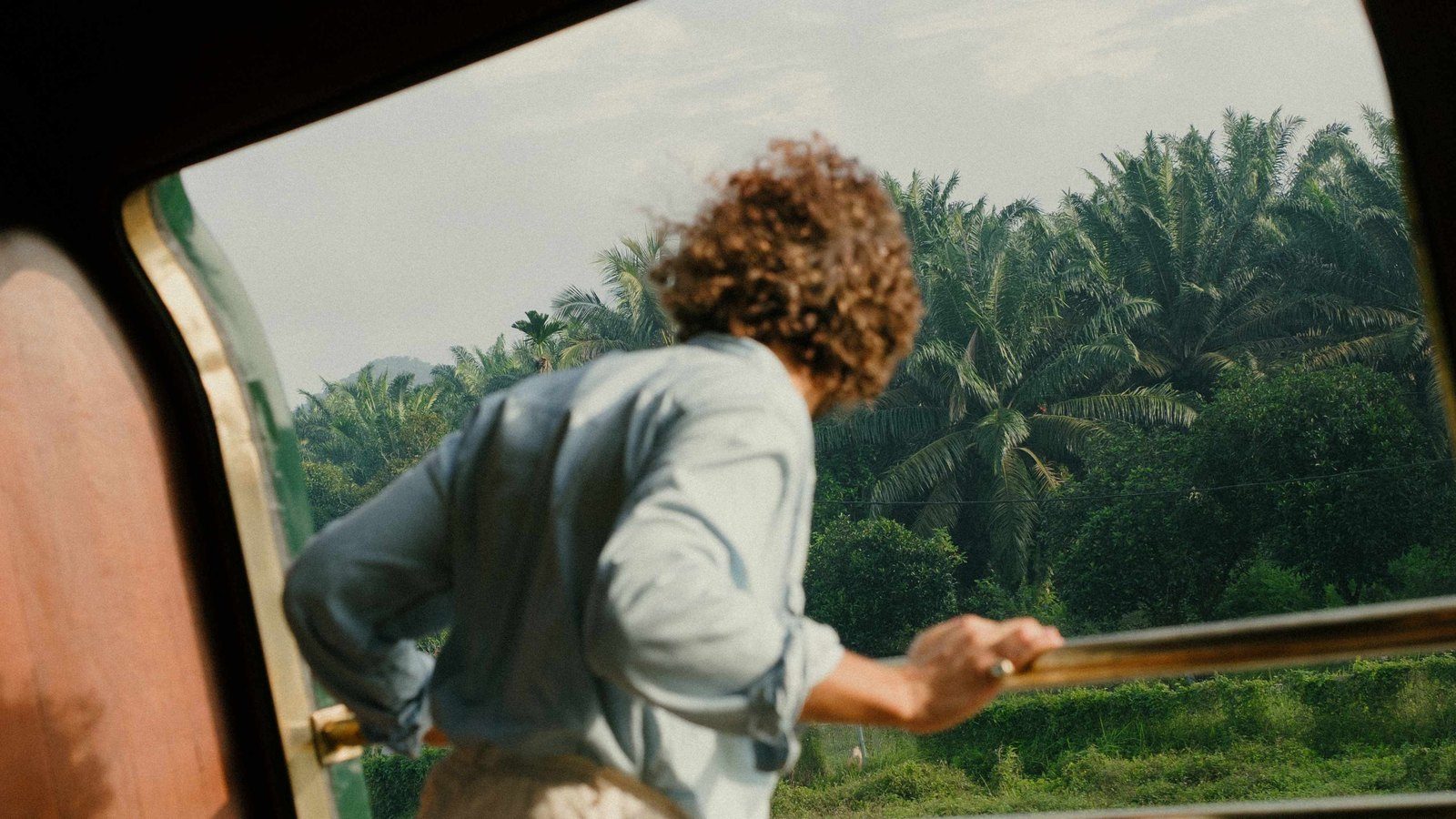
Langkawi is a cluster of 99 islands rising from the Andaman Sea off Malaysia's northwest coast, where ancient rainforest, dramatic limestone karsts and palm-fringed beaches meet a laid-back, duty-free island economy. Legend and geology intertwine here: local folklore tells of the cursed princess Mahsuri, while UNESCO recognises the archipelago's 550-million-year-old rock formations as a Global Geopark. It is a destination of contrasts — cable cars soaring above rainforest canopy one hour, silent mangrove creeks and eagle sightings the next.
For rail travellers, Langkawi is one of the signature stops on the Eastern & Oriental Express, the storied luxury train that threads through the Malay Peninsula between Singapore, Kuala Lumpur, Penang and Thailand. Guests typically transfer from the train to Langkawi by a short onward journey, arriving to find an island built for slow, scenic exploration — precisely the pace the E&O Express is famous for cultivating.
Whether it is a sunset cruise through the Kilim mangroves, a cable-car ride above the clouds, or a plate of fiery local laksa by the harbour, Langkawi rewards travellers who linger rather than rush — the same philosophy that defines a great luxury rail journey.
- ✦UNESCO Global Geopark limestone landscapes
- ✦Langkawi Sky Bridge cable-car views
- ✦Kilim mangrove and eagle-watching cruises
- ✦Duty-free island shopping
- ✦Palm-fringed beaches at Pantai Cenang
- ✦Signature stop on the Eastern & Oriental Express
- ✦Legendary tale of Mahsuri's curse
Places to See in Langkawi
Langkawi Sky Bridge
A curved 125-metre pedestrian bridge suspended 700 metres above sea level on Gunung Mat Cincang, reached via the Langkawi SkyCab cable car from Oriental Village. The ride and the bridge together deliver sweeping views over the rainforest canopy, the Andaman Sea and neighbouring Thai islands.
Kilim Karst Geoforest Park
A UNESCO-recognised network of mangrove waterways, limestone cliffs and hidden lagoons on the island's northeast coast. Boat tours glide past bat caves, floating fish farms and eagle-feeding points, with regular sightings of brahminy kites, long-tailed macaques and monitor lizards.
Eagle Square (Dataran Lang)
The waterfront landmark of Kuah town, marked by a 12-metre sculpture of a giant eagle with wings outstretched — the emblem from which Langkawi ("red eagle" in old Malay) takes its name. A popular spot for photographs and evening strolls along the harbour.
Telaga Tujuh (Seven Wells Waterfall)
A cascading series of seven natural pools carved into granite on the slopes of Gunung Mat Cincang, near Pantai Kok. Visitors climb between the pools for a swim, framed by dense jungle and (from the top) views out to the sea.
Pantai Cenang
Langkawi's liveliest beach, a long stretch of soft sand lined with beach bars, seafood shacks, watersports operators and sunset-facing restaurants — the island's main hub for swimming, parasailing and evening dining.
Mahsuri's Mausoleum (Makam Mahsuri)
A heritage site commemorating the legendary 19th-century Malay princess Mahsuri, said to have been wrongfully executed and to have cursed the island for seven generations. The landscaped grounds include her marble tomb, a small museum and a traditional Malay house.
Underwater World Langkawi
One of Southeast Asia's largest aquariums, on Pantai Cenang, home to rockhopper penguins, otters and a walk-through tunnel tank stocked with sharks and rays — a favourite with families.
Langkawi Wildlife Park & Bird Paradise
A large aviary and wildlife sanctuary where visitors walk among free-flying hornbills, parrots and flamingos, alongside enclosures for otters, lemurs and other tropical species.
Food & Gastronomy
Langkawi's kitchens draw on the Malay, Thai and Kedah-state culinary traditions of Malaysia's northwest, with seafood, tangy broths and street-side grills at the centre of the island's food culture.
- Laksa Langkawi (Laksa Kedah) — a tangy, fish-based noodle soup with a thick, sour-spicy gravy made from mackerel, tamarind and fresh herbs, considered the island's signature dish.
- Gulai Ikan Pari — stingray simmered in a rich, spiced coconut curry, often served with steamed rice and ulam (fresh local herbs).
- Nasi Lemak — Malaysia's national dish of coconut rice served with sambal, fried anchovies, peanuts, boiled egg and cucumber, eaten island-wide as a breakfast staple.
- Fresh grilled seafood — squid, prawns and reef fish char-grilled over coconut husks at the seafront stalls of Kuah and Pantai Cenang.
- Satay and Malay curries — found at the open-air night markets (pasar malam) that rotate through the island's villages, alongside grilled chicken wings, murtabak and rojak.
- Cendol and fresh tropical fruit — shaved-ice desserts and jungle-grown mangosteen, rambutan and Langkawi's own mangoes, sold at roadside stands.
Duty-free status also makes Langkawi a favourite for sampling and buying local chocolate, coffee and Malaysian spirits at markedly lower prices than the mainland.