Munich is Germany's most cultured contradiction: a city of soaring Gothic cathedrals and gilded royal palaces that is just as proud of its beer halls, sausage stalls, and lederhosen-clad festivals. Capital of Bavaria and gateway to the Alps, it blends imperial grandeur with an easygoing, convivial spirit found nowhere else in Germany, from the frescoed halls of the Residenz to the lively stalls of the Viktualienmarkt.
For over a thousand years Munich grew rich as the seat of the Wittelsbach dynasty, and their legacy of palaces, art collections, and grand boulevards still defines the city centre today. Its layered history — royal, industrial, and modern — makes it one of Europe's most rewarding cities to explore slowly, on foot, between museum halls and market squares.
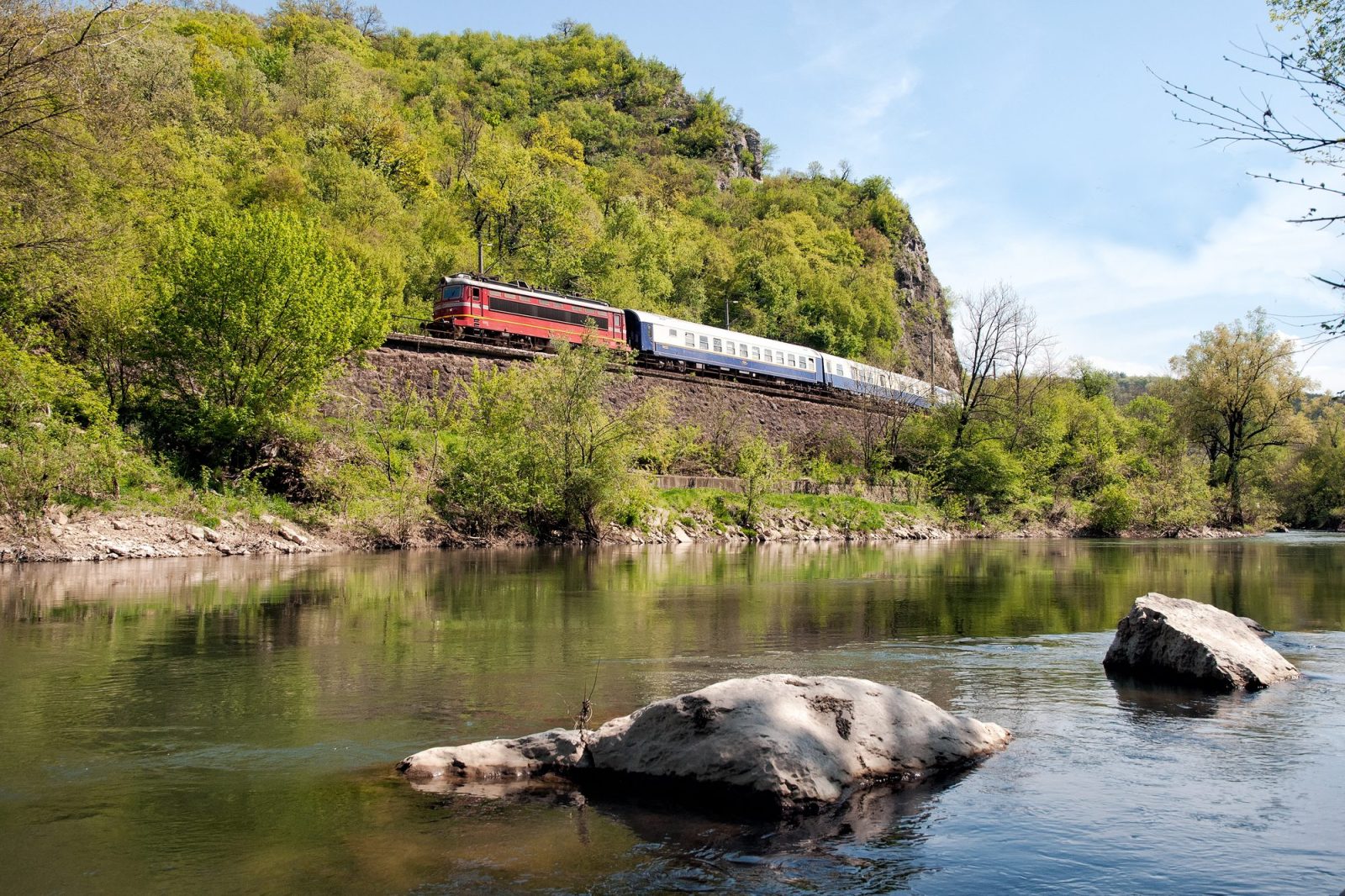
Munich is one of the classic stops on the Danube Express Golden Eagle, the luxury train that threads together the great cities of Central Europe. Travellers arrive in the Bavarian capital rested and unhurried, ready to step straight from a private cabin into the heart of a city built for savouring.
- ✦Royal Residenz and Nymphenburg Palace
- ✦Marienplatz and the Glockenspiel
- ✦Frauenkirche's iconic twin towers
- ✦Historic Hofbräuhaus beer hall
- ✦Viktualienmarkt food market
- ✦Deutsches Museum of science and technology
- ✦Gateway to the Bavarian Alps
Places to See in Munich
Marienplatz and the Neues Rathaus
Munich's central square has been the civic heart of the city since 1158. The neo-Gothic Neues Rathaus (New Town Hall) dominates the square with its ornate facade and the famous Glockenspiel, whose animated figures re-enact 16th-century royal tales daily at 11am and noon.
Frauenkirche
The twin onion-domed towers of the Frauenkirche (Cathedral of Our Lady) are Munich's most recognisable silhouette. This 15th-century Gothic brick cathedral holds the tomb of Emperor Louis IV and offers panoramic city views from its south tower.
Residenz Munich
Once the seat of Bavaria's Wittelsbach rulers, the Residenz is one of Europe's grandest city palaces, with over 130 rooms open to visitors, including the dazzling Antiquarium and the Treasury's collection of royal jewels and crowns.
Nymphenburg Palace
The lavish baroque summer residence of the Bavarian monarchs sits amid formal gardens, canals, and pavilions on the western edge of the city, its Gallery of Beauties and porcelain collection among its highlights.
Viktualienmarkt
This beloved open-air market in the city centre has traded in fresh produce, sausages, cheeses, and Bavarian specialties since 1807, with a beer garden at its centre for a midday stein beneath the chestnut trees.
English Garden (Englischer Garten)
One of the largest urban parks in the world, larger than New York's Central Park, it is famous for its surfers riding a standing wave on the Eisbach stream, the Chinese Tower beer garden, and the Monopteros temple.
Deutsches Museum
The world's largest museum of science and technology fills an island in the Isar River with exhibits ranging from historic aircraft and U-boats to mining tunnels and planetarium shows.
Alte Pinakothek and Kunstareal
Munich's museum quarter houses the Alte Pinakothek's old masters (Dürer, Rubens, Rembrandt) alongside the Neue Pinakothek and Pinakothek der Moderne, forming one of Europe's richest concentrations of art under one roof.
Hofbräuhaus
Munich's most famous beer hall has poured litres of beer since 1589 and remains the emblematic place to experience Bavarian conviviality, oompah bands, and hearty food beneath vaulted, painted ceilings.
Food & Gastronomy
Munich's food culture is built around hearty Bavarian cooking, communal beer halls, and a market tradition that has barely changed in character for two centuries. A visit here is as much about what's on the plate as what's on the itinerary.
- Weisswurst — Munich's iconic white veal-and-pork sausage, traditionally eaten before noon with sweet mustard, a pretzel, and a wheat beer.
- Schweinshaxe — a roasted pork knuckle with crackling skin, classically served with dumplings and braised cabbage.
- Brezn (Bavarian pretzel) — the soft, dark-crusted pretzel found everywhere from beer gardens to bakery windows.
- Obatzda — a tangy, spiced cheese spread made with Camembert, butter, and paprika, a beer garden staple.
- Leberkäse — a smooth baked meatloaf, often served warm in a bread roll as a quick Munich snack.
- Schnitzel and Knödel — Bavarian versions of the breaded cutlet, typically paired with bread or potato dumplings.
- Munich beer — brewed under the 1516 Reinheitsgebot purity law by the city's famed breweries (Hofbräu, Löwenbräu, Augustiner, Paulaner), best sampled in a beer garden under chestnut trees.
The Viktualienmarkt remains the best place to graze across all of this in one visit, while the city's beer gardens, some seating thousands, are the quintessential Munich dining experience in fair weather.