Penang is Malaysia's cultural melting pot, a Straits of Malacca island where Chinese clan houses, Peranakan mansions, Indian temples and British colonial architecture sit side by side in the UNESCO World Heritage-listed streets of George Town. Layers of migration and trade over five centuries have made it one of Asia's most vividly layered cities, and its reputation as a food capital draws travellers as much as its heritage does.
George Town's core is a living museum: pastel shophouses with ornate five-foot ways, ornate Chinese clan jetties built on stilts over the harbour, and murals tucked into alleyways that have turned the old town into an open-air gallery. Beyond the heritage zone, Penang Hill and its rainforest canopy offer a cooling escape above the tropical heat, while the island's beaches and hawker stalls round out a destination built for slow, curious exploration.
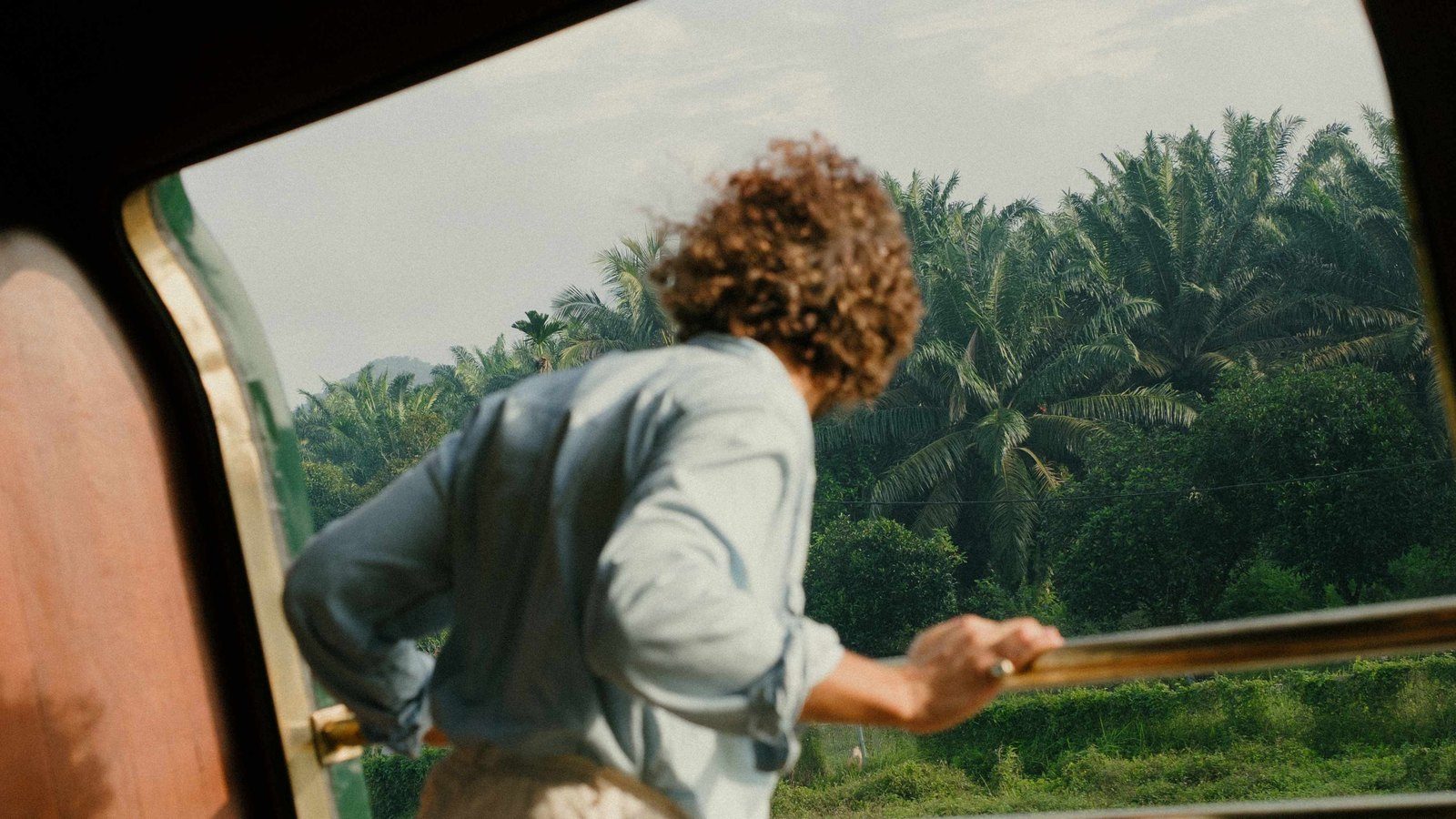
Penang is the atmospheric final stop on the Eastern & Oriental Express, whose storied route through Malaysia culminates on the island after journeys from Singapore via Kuala Lumpur. Guests disembark at Butterworth and cross to George Town for a choice of excursions before rejoining the train, making it one of the most memorable ways to arrive in this heritage city.
- ✦UNESCO World Heritage George Town
- ✦Street food capital of Malaysia
- ✦Historic clan jetties on stilts
- ✦Cheong Fatt Tze Blue Mansion
- ✦Kek Lok Si Temple and Penang Hill
- ✦Peranakan culture and cuisine
- ✦Final stop on the Eastern & Oriental Express
Places to See in Penang
George Town UNESCO Heritage Zone
The historic core of Penang's capital, inscribed by UNESCO in 2008 for its unique townscape of Chinese shophouses, colonial buildings and religious monuments representing multicultural Southeast Asia.
Cheong Fatt Tze Mansion
Known as the Blue Mansion for its indigo-washed walls, this exquisitely restored 19th-century Hakka merchant's residence is one of only a handful of such mansions left standing outside China, complete with courtyards and feng shui-guided architecture.
Penang Street Art
Lithuanian artist Ernest Zacharevic's whimsical murals, such as "Children on a Bicycle" and "Boy on a Motorcycle," are scattered through the lanes of the old town and have become an essential, Instagram-famous scavenger hunt for visitors.
Clan Jetties
Wooden stilt villages built out over the water by early Chinese immigrant clans, the Chew Jetty is the largest and most visited, offering a rare glimpse of a still-inhabited waterborne settlement in the middle of a modern port city.
Kek Lok Si Temple
Malaysia's largest Buddhist temple complex, in the hills of Air Itam, is crowned by the seven-tier Pagoda of Ten Thousand Buddhas and a towering bronze statue of Kuan Yin, the goddess of mercy.
Penang Hill
A funicular railway climbs through rainforest to this colonial-era hill station, delivering sweeping views over George Town and the strait, along with a noticeably cooler climate than the coast below.
Fort Cornwallis
The star-shaped fort built by the British East India Company on the spot where Captain Francis Light first landed in 1786 marks the founding of George Town and now houses history exhibits and cannon-lined ramparts.
Sri Mahamariamman Temple and Kapitan Keling Mosque
Standing within a short walk of each other on the aptly nicknamed "Street of Harmony," Penang's oldest Hindu temple and one of its grandest Mughal-style mosques capture the island's tradition of religious coexistence.
Little India
A compact, sensory-rich quarter of spice traders, garland-makers, sari shops and South Indian eateries around Lebuh Chulia and Lebuh Pasar, alive with colour, incense and Bollywood soundtracks.
Food & Gastronomy
Penang is widely considered Malaysia's street food capital, a title earned through generations of Peranakan (Straits Chinese), Malay, Indian and Chinese cooking traditions overlapping in one small island. Hawker centres such as Gurney Drive and New Lane are nightly feasts where each stall specialises in a single dish perfected over decades.
The island's signature dish is Penang assam laksa, a tangy, fish-based noodle soup flavoured with tamarind, mint and torch ginger flower, listed among the world's best foods by international food polls. Equally essential is char kway teow, flat rice noodles wok-fried with prawns, cockles, egg and Chinese sausage over blistering heat, and Hokkien mee, a rich prawn-and-pork broth noodle soup distinct from its Kuala Lumpur namesake.
Peranakan (Nyonya) cuisine, born of intermarriage between early Chinese settlers and local Malays, is another Penang specialty, blending Chinese ingredients with Malay spices and coconut milk in dishes like otak-otak (spiced fish custard grilled in banana leaf) and nyonya kuih, colourful steamed and layered rice-flour sweets. Travellers on the Eastern & Oriental Express can even join a Peranakan cooking class in George Town, shopping for spices at a traditional grocer before preparing local dishes themselves.
- Assam laksa — sour, spicy tamarind-fish noodle soup, Penang's most famous dish
- Char kway teow — smoky wok-fried flat rice noodles with prawns and cockles
- Nasi kandar — steamed rice served with a mix-and-match of curries and side dishes, a Penang Indian-Muslim invention
- Cendol — shaved ice dessert with pandan noodles, coconut milk and palm sugar syrup
- Penang rojak — fruit and vegetable salad tossed in a pungent shrimp-paste dressing
- Hokkien mee — prawn and pork stock noodle soup topped with chili sambal