Walvis Bay is Namibia's principal deep-water port and the dramatic Atlantic terminus of the Namib Desert, where towering ochre dunes run right down to the surf and a vast, shallow lagoon hosts tens of thousands of flamingos and pelicans. It is a working harbour town rather than a postcard resort, and that unpolished, salt-air character is part of its appeal — fishing trawlers, guano platforms and container cranes share the bay with kayakers and birdwatchers just metres from the water's edge.
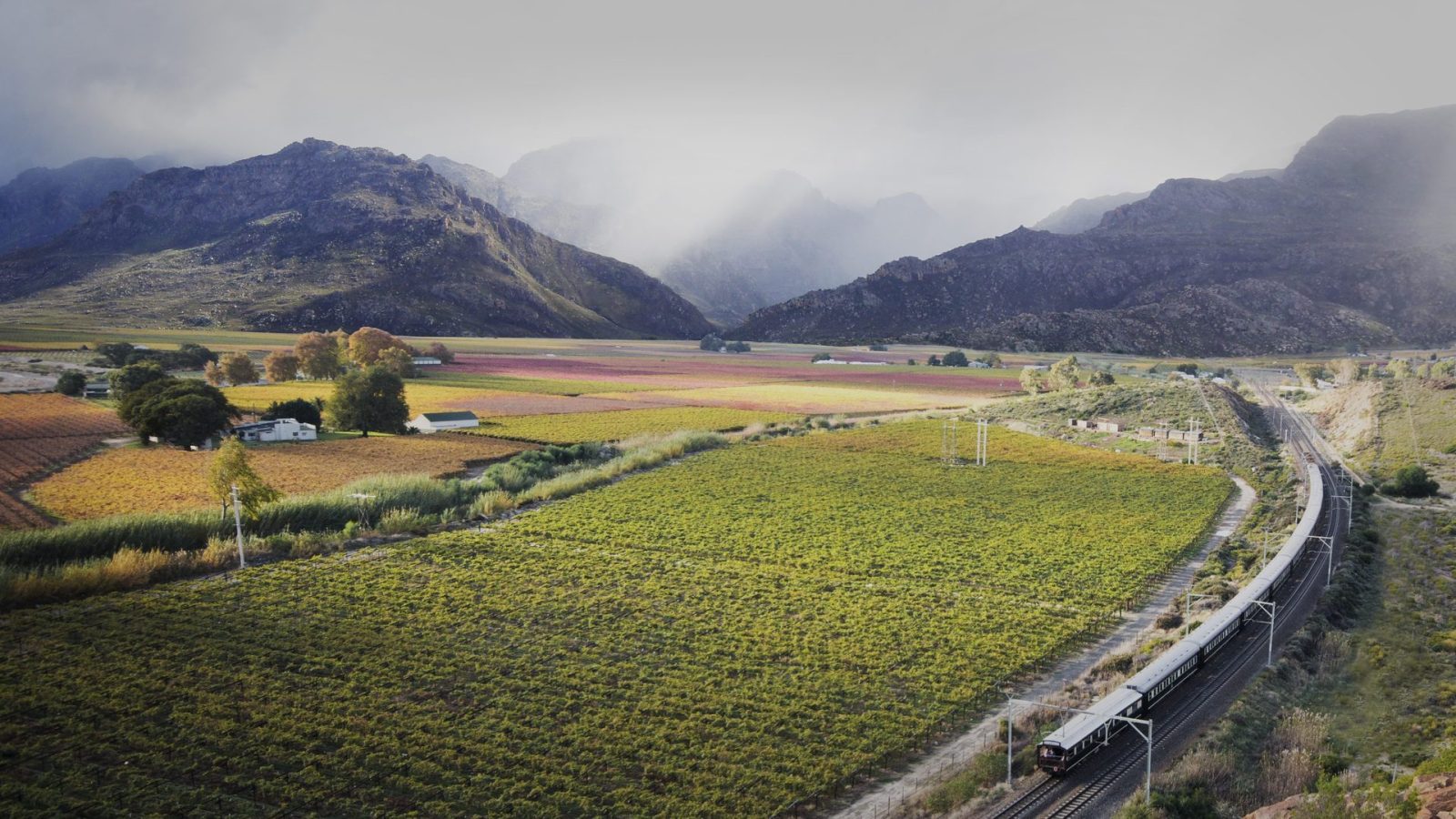
For most travellers, Walvis Bay is best experienced as the dramatic final chapter of a much longer story. It is the western end station of Rovos Rail's Pride of Africa, whose Namibia Safari itinerary carries guests in restored vintage carriages from Pretoria across the Karoo and Kalahari, through Fish River Canyon, the ghost town of Kolmanskop, Lüderitz and the dunes of Sossusvlei, before finally crossing the Namib to arrive at this Atlantic coast port. Few arrivals anywhere in Africa match stepping off a Pullman-style luxury train into sea air and the calls of flamingos.
Neighbouring Swakopmund, just a short drive north, is usually paired with a Walvis Bay stay, giving travellers a combination of desert adventure, colonial-era architecture and marine wildlife rarely found in one compact corner of the continent.
- ✦Flamingo-filled Walvis Bay Lagoon
- ✦Towering Dune 7 and desert sandboarding
- ✦Remote dune-meets-ocean scenery at Sandwich Harbour
- ✦Atlantic terminus of Rovos Rail's Pride of Africa
- ✦Fresh lagoon oysters and Namibian game cuisine
- ✦Day trips to Kolmanskop ghost town and Swakopmund
- ✦Boat cruises with seals, pelicans and dolphins
Places to See in Walvis Bay
Walvis Bay Lagoon
A 45,000-hectare Ramsar-protected wetland right beside the town, home to tens of thousands of Greater and Lesser flamingos, pelicans, flamingoes and migratory wading birds year-round — one of the most important bird habitats in southern Africa and easily viewed from the waterfront promenade.
Dune 7
Rising more than 380 metres, Dune 7 is among the tallest sand dunes in the Namib and a favourite spot for sandboarding, quad biking and simply climbing for panoramic views across desert and coastline meeting at the sea.
Sandwich Harbour
A remote, 4x4-only wilderness south of town where immense dunes plunge directly into the Atlantic surf. Once a small whaling and fishing harbour, it is now prized for its otherworldly scenery and rich birdlife.
Walvis Bay Waterfront
The town's redeveloped harbourfront promenade, lined with cafés and small shops, is the starting point for lagoon boat cruises that bring guests close to flamingos, Cape fur seals, pelicans and, often, bottlenose dolphins.
Kolmanskop Ghost Town
A short excursion inland, this abandoned early-1900s diamond-mining town near Lüderitz — visited en route by the Pride of Africa — is slowly being reclaimed by the desert, its grand German colonial buildings now half-buried in drifting sand.
Swakopmund
Namibia's quirky seaside twin to Walvis Bay, just up the coast, blends German colonial architecture, palm-lined streets and adventure-tourism operators offering desert excursions, making it a natural add-on to any Walvis Bay stay.
Namib-Naukluft National Park
The vast desert park inland from the coast, encompassing the dune fields the Pride of Africa skirts on its way to Walvis Bay, including the famous red dunes and clay pans of Sossusvlei and Deadvlei.
Food & Gastronomy
Walvis Bay's cuisine is defined by the cold, nutrient-rich Benguela Current running offshore, which makes this stretch of coast one of the best places in Africa for seafood, alongside Namibia's distinctive German-influenced, game-driven inland cooking.
- Walvis Bay oysters — farmed in the lagoon itself, these are considered among the finest in the southern hemisphere and are served fresh at harbourside restaurants, often simply with lemon.
- Line-caught kingklip and West Coast sole — local white fish typically grilled or pan-fried and served with the day's catch from the fishing fleet based in the harbour.
- Namibian game meat — oryx (gemsbok), springbok and kudu appear on menus across the region, usually as steaks, potjie (stew) or biltong, a dried, spiced cured meat snack rooted in the country's farming heritage.
- German-Namibian specialities — a legacy of German colonial settlement, dishes such as schnitzel, bratwurst and fresh-baked bread and pastries are widely found, especially in nearby Swakopmund.
- Local craft beer — Namibia's German brewing tradition (reinheitsgebot purity law included) lives on in coastal breweries producing pilsner-style lagers well suited to the sea air.
Aboard the Pride of Africa itself, meals are a highlight in their own right: multi-course dinners in a wood-panelled dining car, with a dress code and a wine list showcasing South African vineyards, served as the desert landscape slides past the window.