
Undiscovered Horizons of China
Urumqi - Turpan - Kashgar - Hotan - Rouqiang - Golmud - Dunhuang - Xining - Tanggula Pass - Lhasa
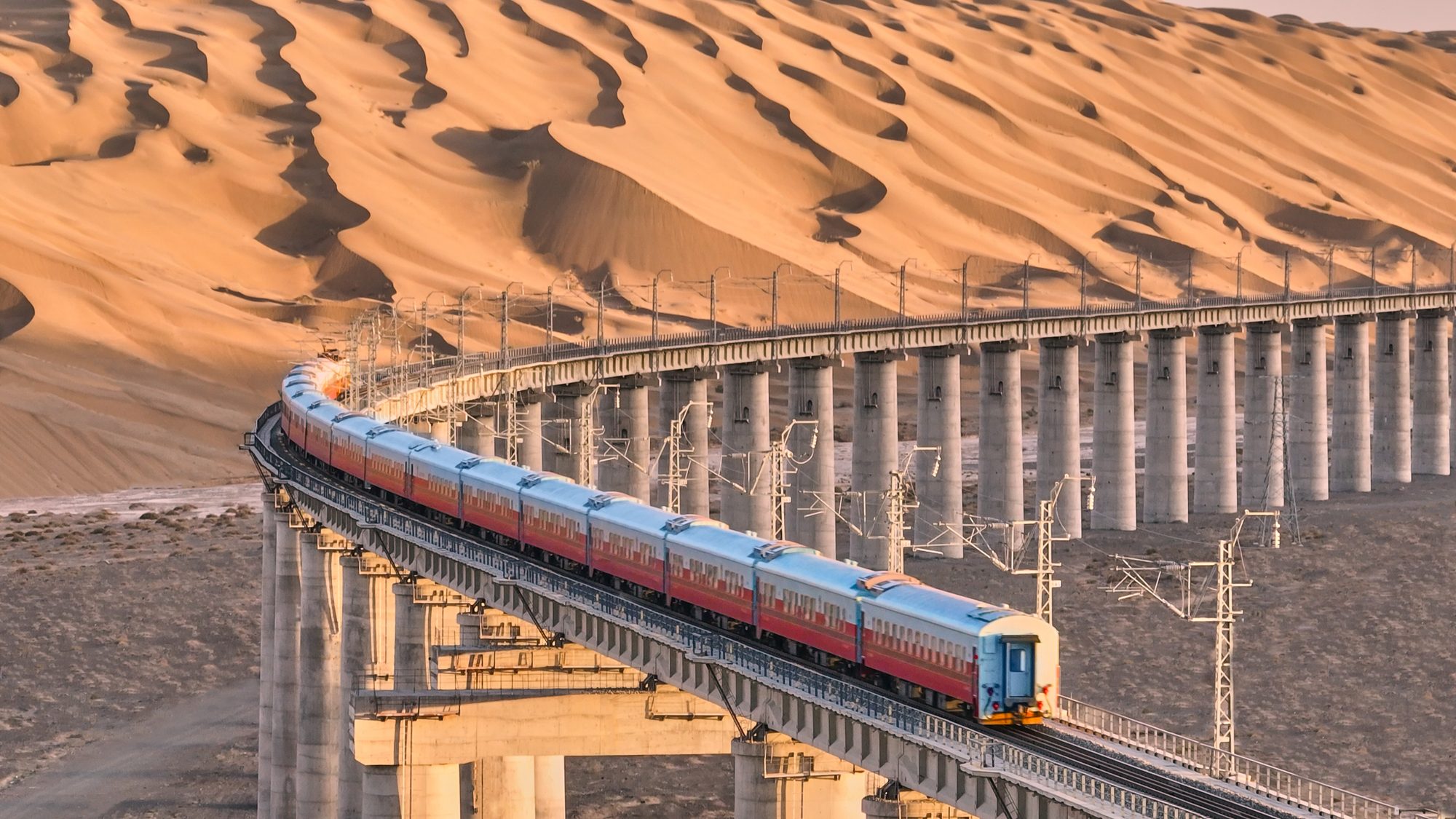
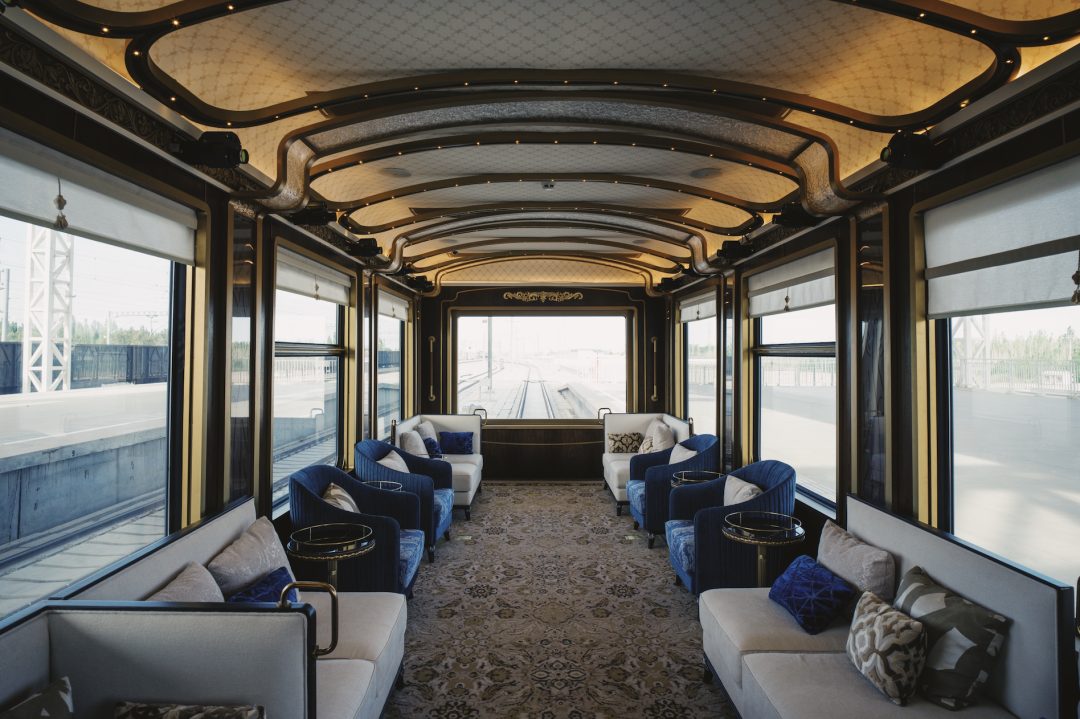
Undiscovered Horizons is the least-travelled of the China journeys. From Urumqi the Golden Eagle Silk Road Express follows the western Silk Road across Xinjiang, reaching Rouqiang and the ruins of the Loulan kingdom, touring Yotkan under the stars and dining in the rose gardens of Hotan — places that simply do not appear on other rail itineraries.
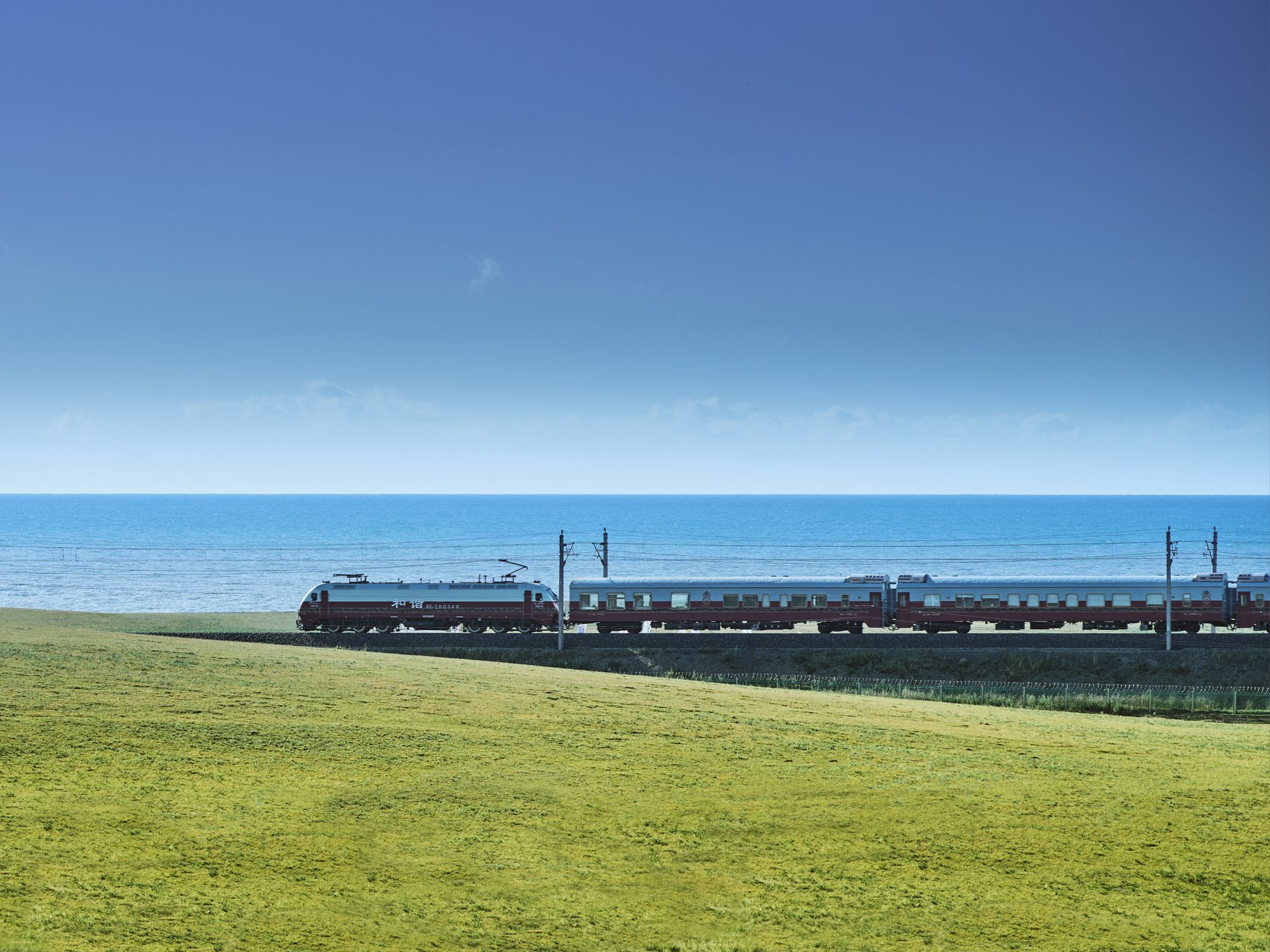
At Xining the journey changes to the Qinghai-Xizang Railway, the highest in the world, for the crossing of the Tanggula Pass at 16,640 feet, or you can fly directly to Lhasa instead. It ends with three nights in Lhasa for the Potala Palace, the Jokhang Temple, the Barkhor and the Norbulingka.
- ✦An evening tour of the Jiaohe ruins at Turpan
- ✦A night tour of Yotkan and dinner in Hotan's rose gardens
- ✦The Loulan Museum or the Miran ruins at Rouqiang
- ✦The Mogao Caves and a camel ride to Crescent Lake
- ✦The Qinghai-Xizang Railway over the Tanggula Pass
- ✦Three nights in Lhasa
Scenes from the Journey
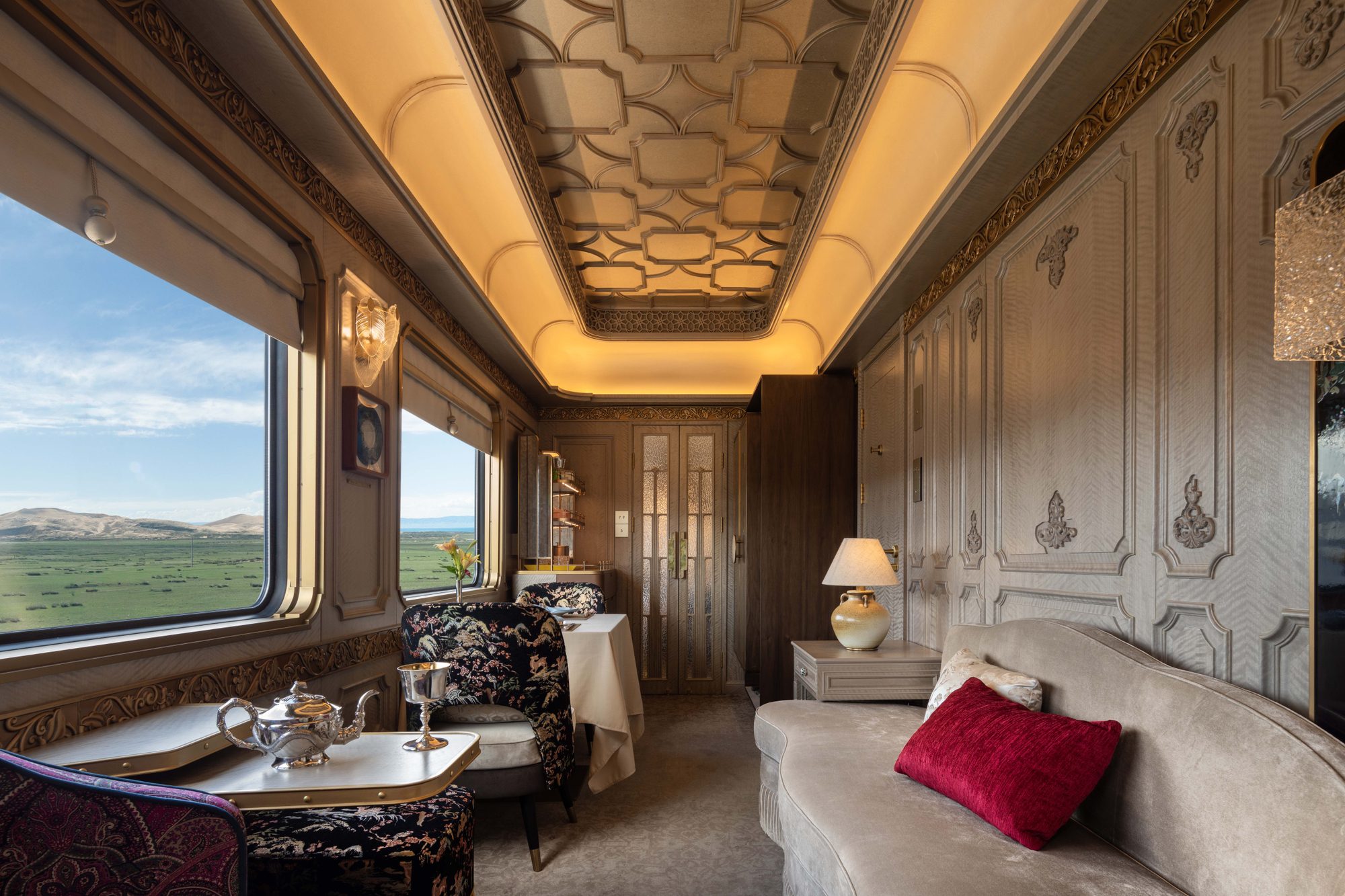
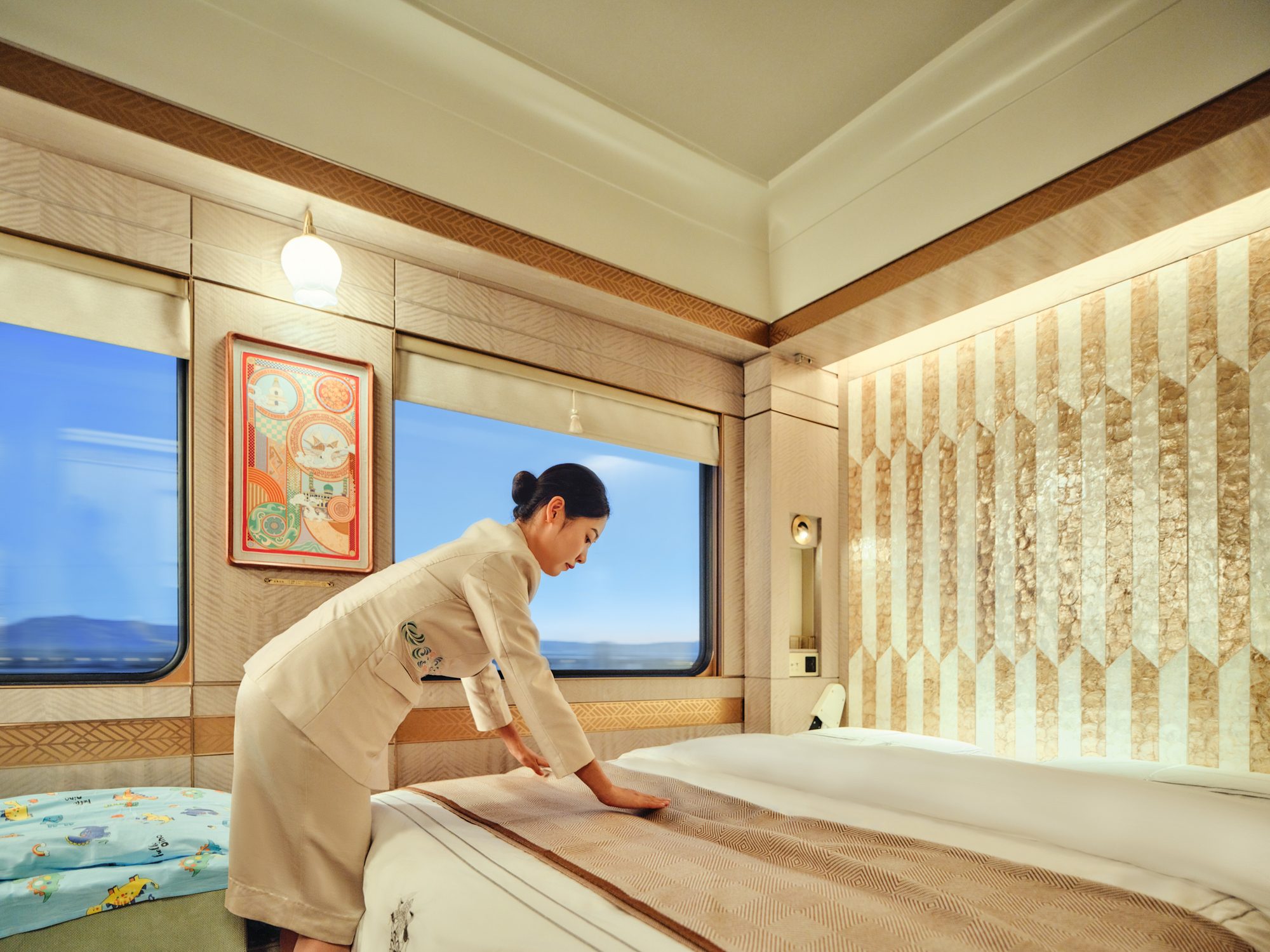
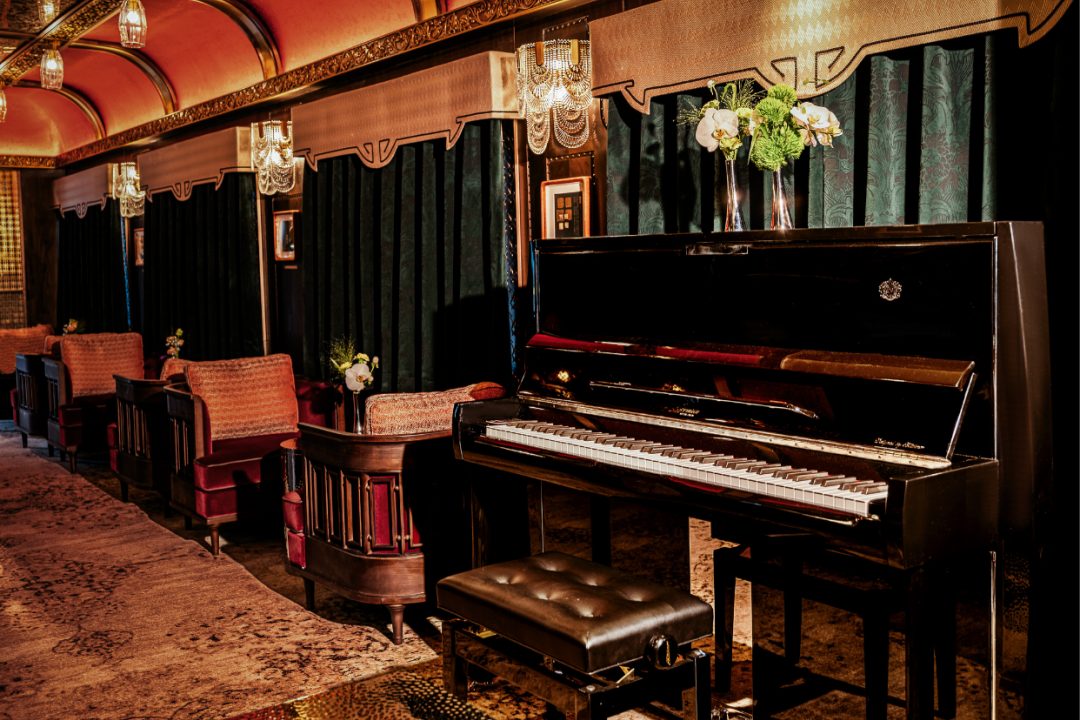
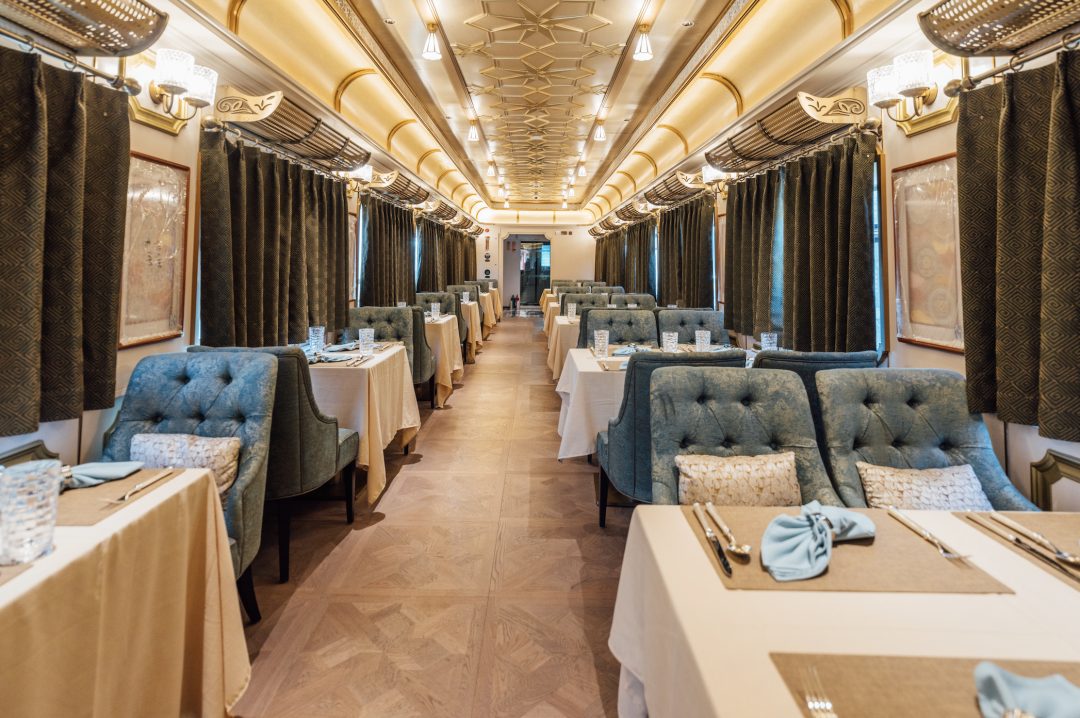
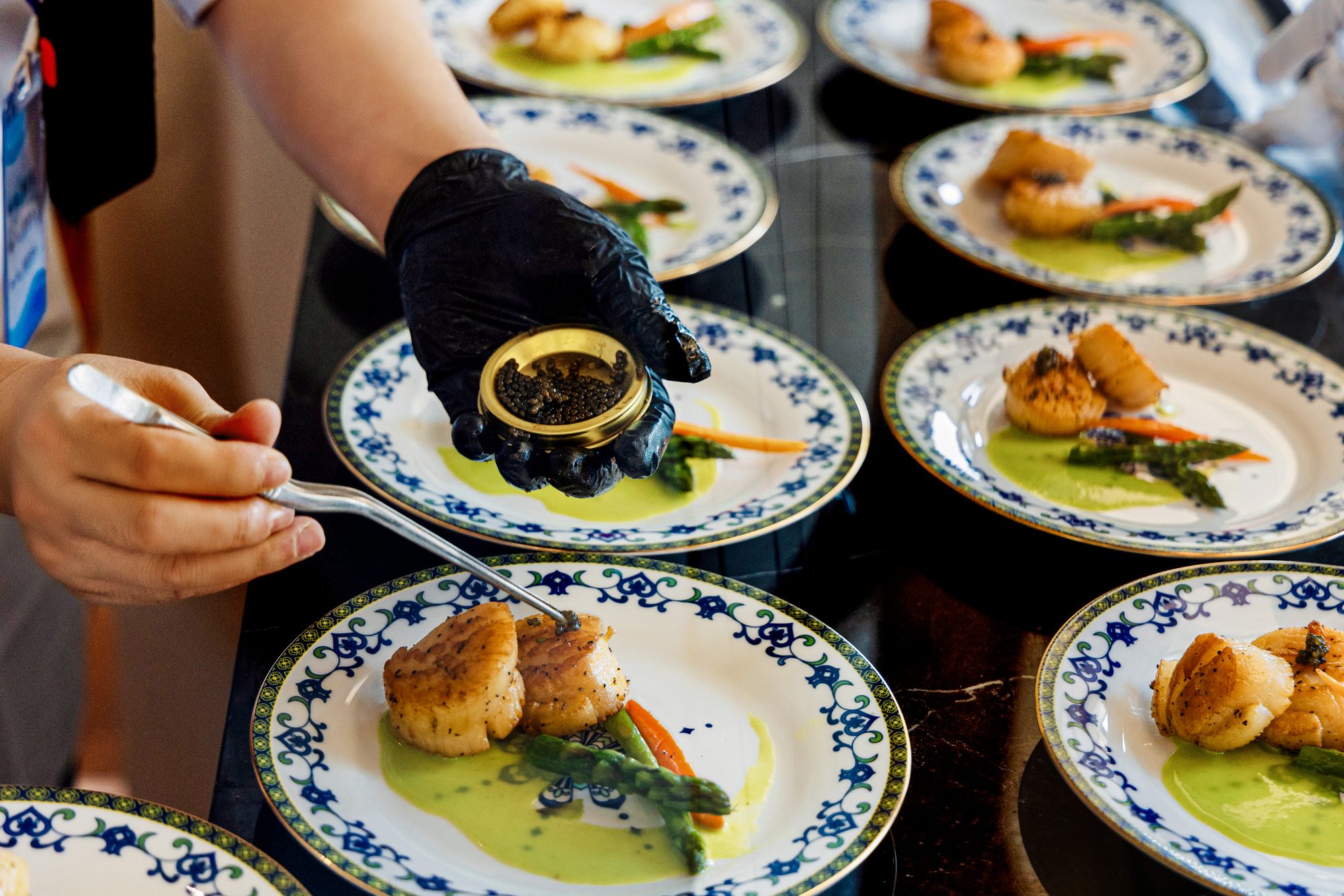
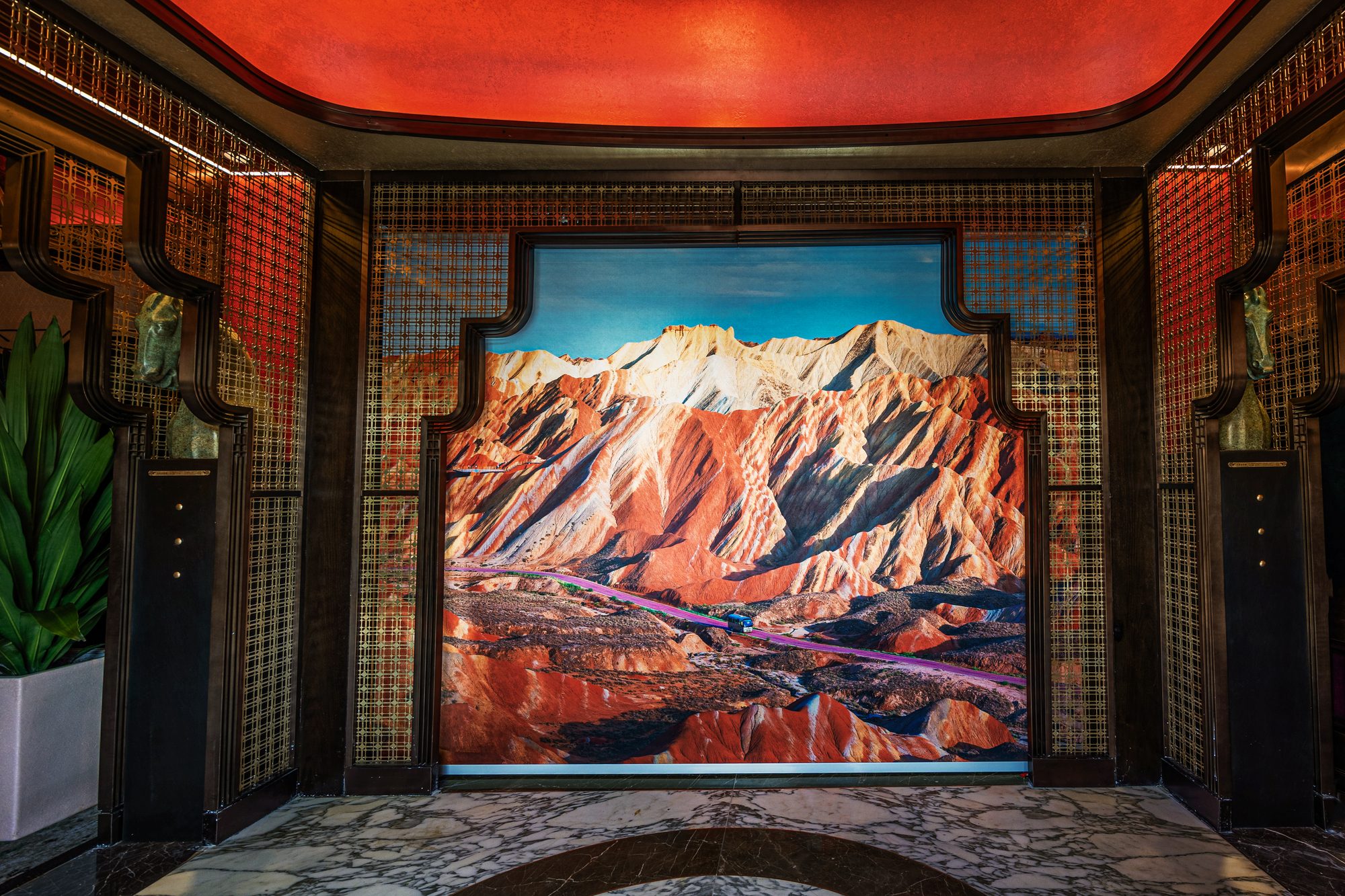
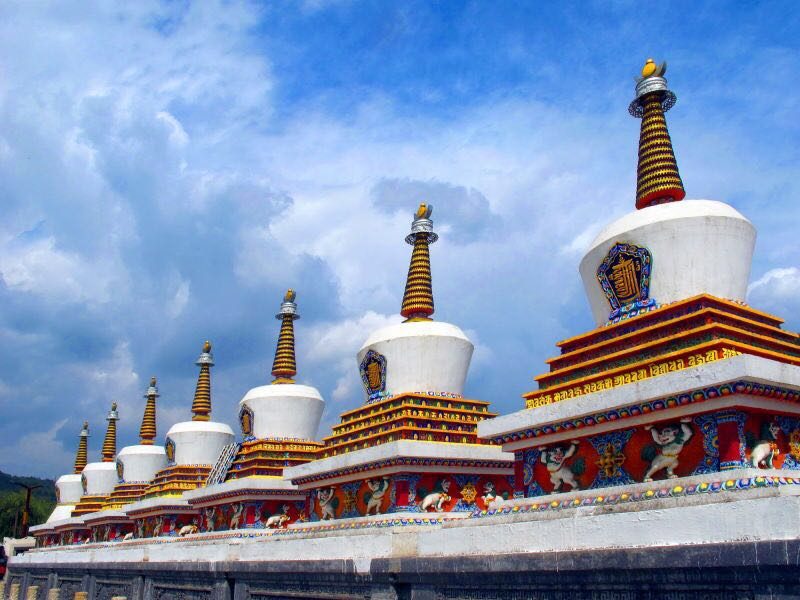
Day-by-Day Itinerary
Day 1 — Urumqi
Arrive in Urumqi, the gateway to Xinjiang, where you are met and taken to the Conrad Urumqi, or similar. The afternoon is free — the city is worth a walk, or the hotel is a comfortable place to shed the flight. This evening there is a reception and dinner to meet your fellow travellers.
Day 2 — Turpan
A scenic drive to Turpan, a region known both for its Silk Road history and, improbably for somewhere this arid, its vineyards. The highlight is an exclusive evening tour of the Jiaohe ruins — a city carved out of a rock plateau — with expert commentary as the sun sets over it. Afterwards you board the Golden Eagle Silk Road Express for a celebratory dinner in the dining car.
Day 3 — Turpan
The morning is at Gaochang, once a capital of the Silk Road and now a spread of ruins you can walk through. After lunch in a local restaurant, the Karez wells — an underground irrigation system, centuries old, that still waters the vineyards — and then Jiaohe Post. Dinner on board as the train crosses Xinjiang.
Day 4 — Kashgar
An early arrival in Kashgar, the great market town of the Silk Road. The Apak Khoja Mausoleum comes first, ornate and layered with legend, then a walk through the Old Town, where the streets are still lived in rather than preserved. Lunch locally, then the Gaotai folk houses, where traditional Uyghur life carries on.
Day 5 — Hotan
A leisurely morning watching the desert go by, then Hotan. An exclusive visit to the atlas silk and carpet workshop shows hand-weaving passed down through generations. In the evening, a night tour of Yotkan — the archaeological remains of the Buddhist kingdom of Khotan, explored under the stars — followed by dinner at the Hotan Rose Blossom Restaurant, in the open air among the rose gardens the city is known for.
Day 6 — Rouqiang
After a relaxed morning on board you reach Rouqiang, and a choice. The Loulan Museum covers the desert kingdom that flourished here and then vanished; the Miran ruins take you into the Han and Tang dynasties and the traders who passed through. Either way, this is a corner of China that sees very few visitors.
Day 7 — Golmud
A lecture on Silk Road history at the Hilton Qinghai-Golmud, then lunch there. The afternoon offers the Chaerhan Salt Lake, a pale and slightly unreal expanse of salt flats, or a guided walk through the city.
Day 8 — Dunhuang
The morning is spent crossing the dunes by camel to Crescent Lake, a spring-fed oasis that has held out against the desert for millennia. Then the Mogao Caves — several hundred grottoes cut between 700 and 1,700 years ago, holding sculptures and murals that trace a thousand years of Buddhist art. The day closes with the farewell dinner aboard the train.
Day 9 — Xining and the Qinghai-Xizang Railway
A slow morning through the far west of China. In the afternoon, either the Buddhist Kumbum (Ta'er) Monastery or the Shuijingxiang market, before boarding the Qinghai-Xizang Railway — 1,956 kilometres from Xining to Lhasa, and the highest railway on earth. Guests who would rather not make the ascent by rail can fly to Lhasa instead.
Day 10 — Tanggula Pass and Lhasa
The line crosses the Tanggula Pass at 16,640 feet, its highest point, with snow-capped peaks and empty valleys either side. After lunch you arrive in Lhasa and check in to The St Regis Lhasa Resort, or similar, for three nights. The afternoon is yours — the best thing to do on the first day at this altitude is very little.
Day 11 — Lhasa
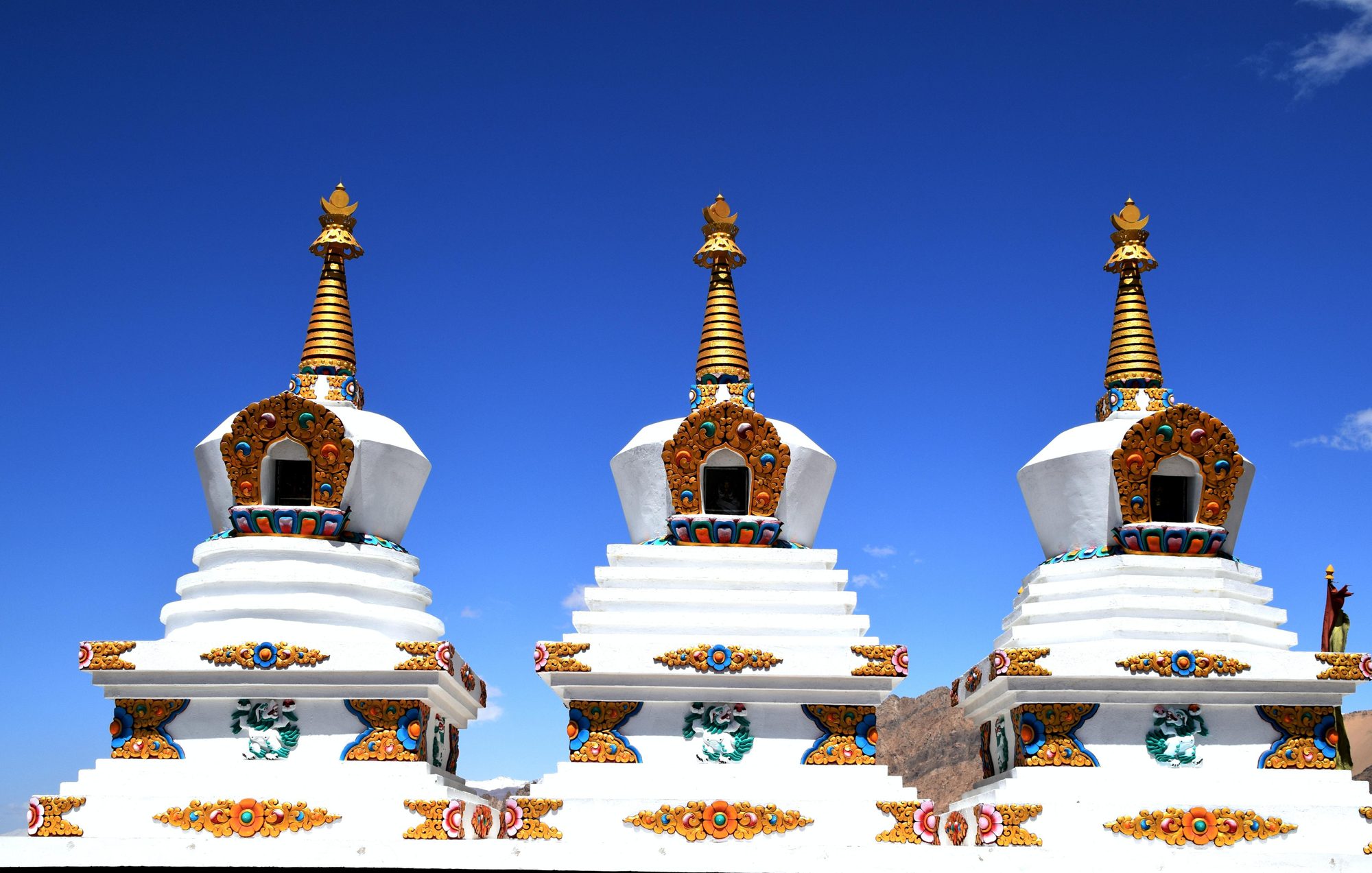
Lhasa means place of the gods, sits at about 11,975 feet, and has been the seat of the Dalai Lama and the holiest centre of Tibetan Buddhism for over a thousand years. Today you visit the Norbulingka, the summer palace laid out in the 1740s as an escape from the heat — the jewel garden, and still a quiet one. Afterwards the streets of Lhasa are yours to wander.
Day 12 — Lhasa
A deeper day. The Jokhang Temple, which remains the spiritual centre for Tibetans and draws pilgrims from across the region, then the Barkhor that circles it. In the afternoon, the Potala Palace — 17th century, set on Marpo Ri hill 130 metres above the valley and rising another 170, and one of the genuinely extraordinary buildings anywhere. The farewell dinner follows.
Day 13 — Lhasa
Transfers to Lhasa airport for your onward flight.
Destinations & Highlights
- Turpan — An evening tour of the Jiaohe ruins, then Gaochang and the Karez wells.
- Kashgar — The Apak Khoja Mausoleum, the lived-in Old Town and the Gaotai folk houses.
- Hotan — A night tour of Yotkan and dinner among the city's rose gardens.
- Rouqiang — The Loulan Museum or the Miran ruins, in desert few travellers see.
- Dunhuang — A camel ride to Crescent Lake and the Mogao Caves.
- Tanggula Pass — The highest point of the Qinghai-Xizang Railway, at 16,640 feet.
- Lhasa — The Potala Palace, the Jokhang Temple, the Barkhor and the Norbulingka.
Undiscovered Horizons of China: Your Questions Answered
Where does the journey start and end?+
How are the nights split?+
What makes this the least-travelled China itinerary?+
What is the highlight at Turpan?+
What will I see in Kashgar?+
What happens at Dunhuang?+
Can I fly to Lhasa rather than take the high railway?+
How should I prepare for the altitude?+
What is included in the three nights in Lhasa?+
Do I need a visa?+
Undiscovered Horizons of China
We do not currently hold published dates for this particular itinerary. The operator releases each season in stages — our rail concierge can tell you what is open and hold a cabin for you.
Join the waitlist
This departure is currently sold out. Leave your details and our concierge will contact you the moment space becomes available.