
Ancient China by Private Train
Urumqi - Turpan - Kashgar - Hotan - Golmud - Dunhuang - Xi'an - Beijing
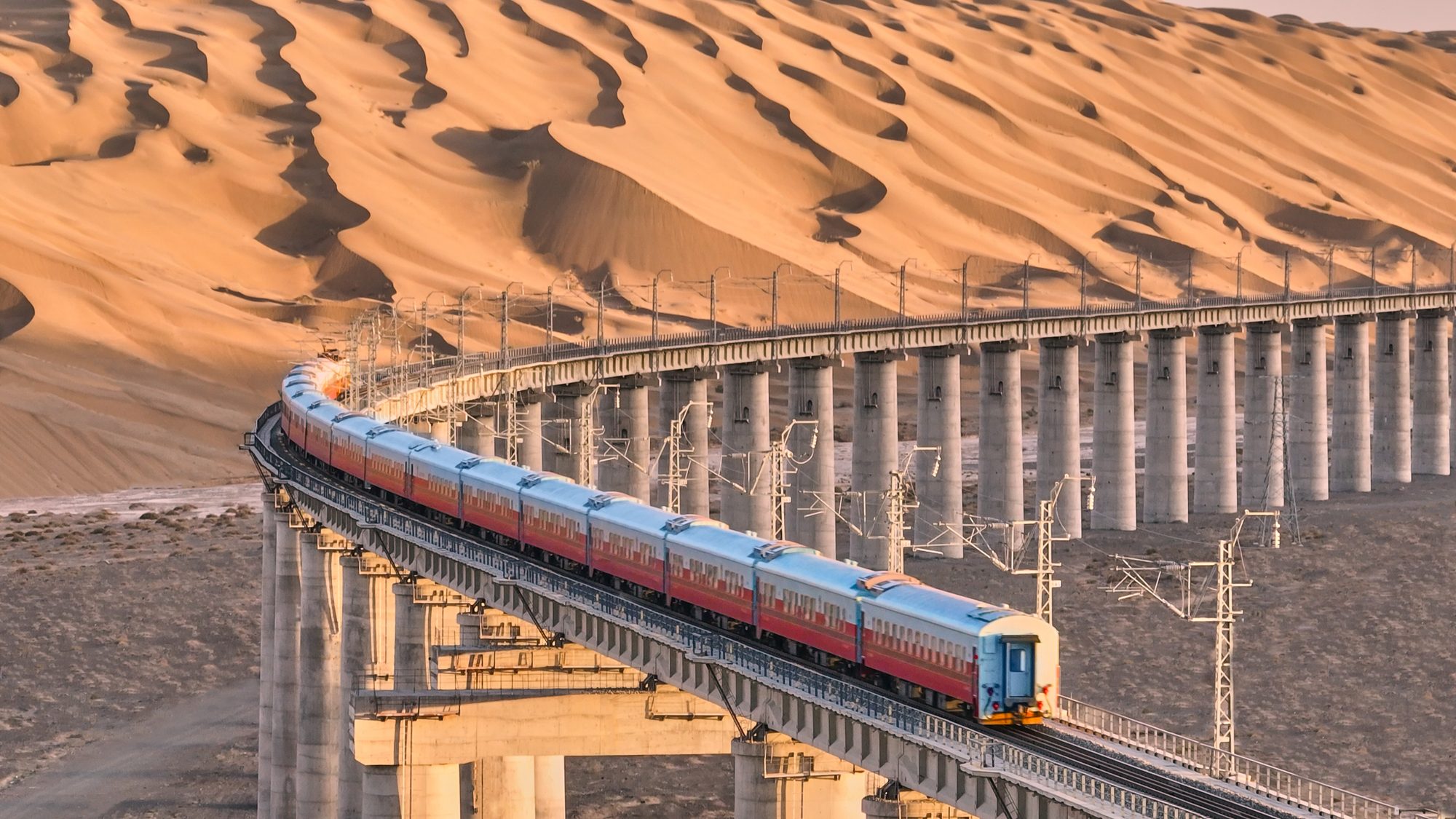
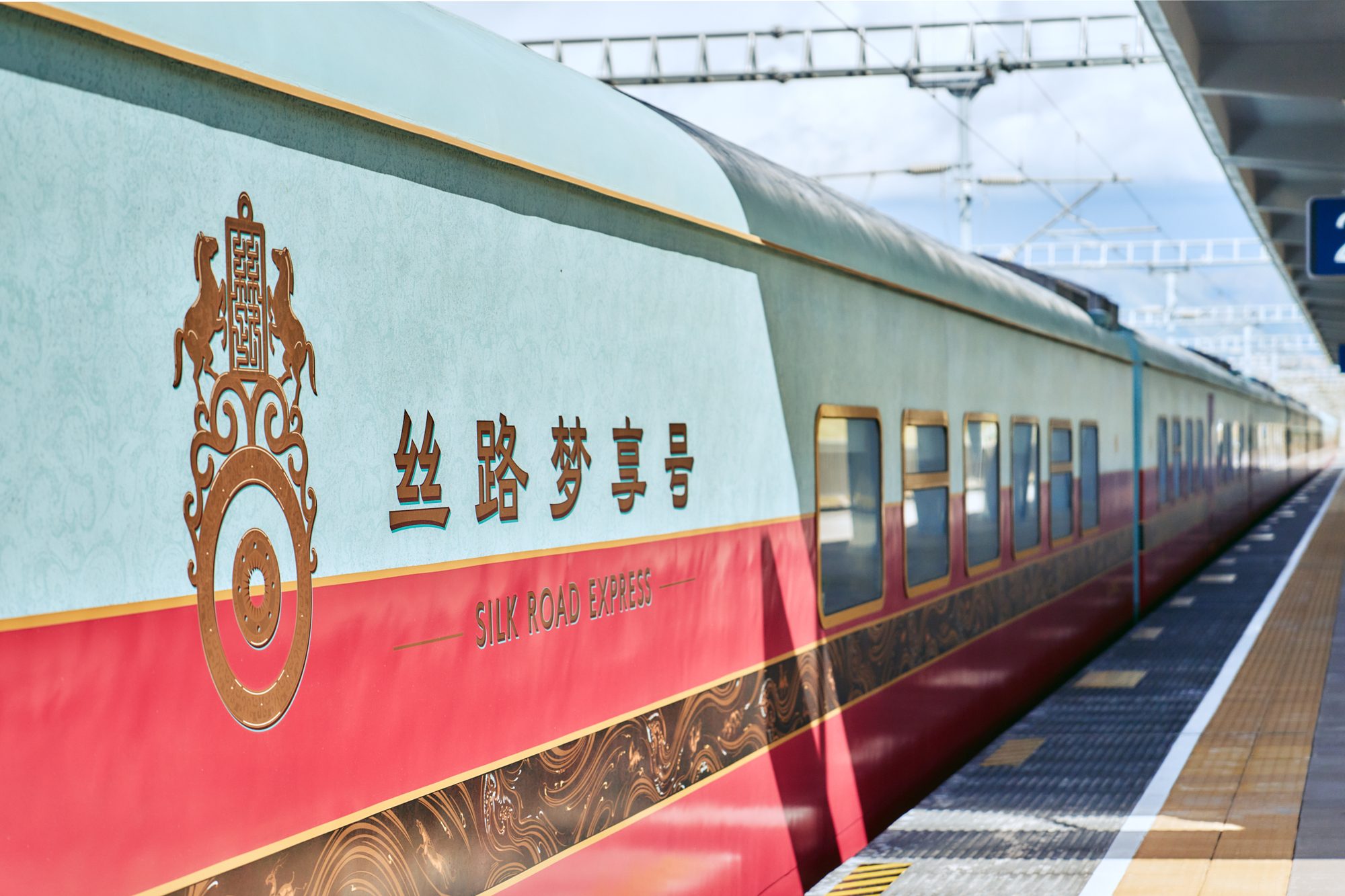
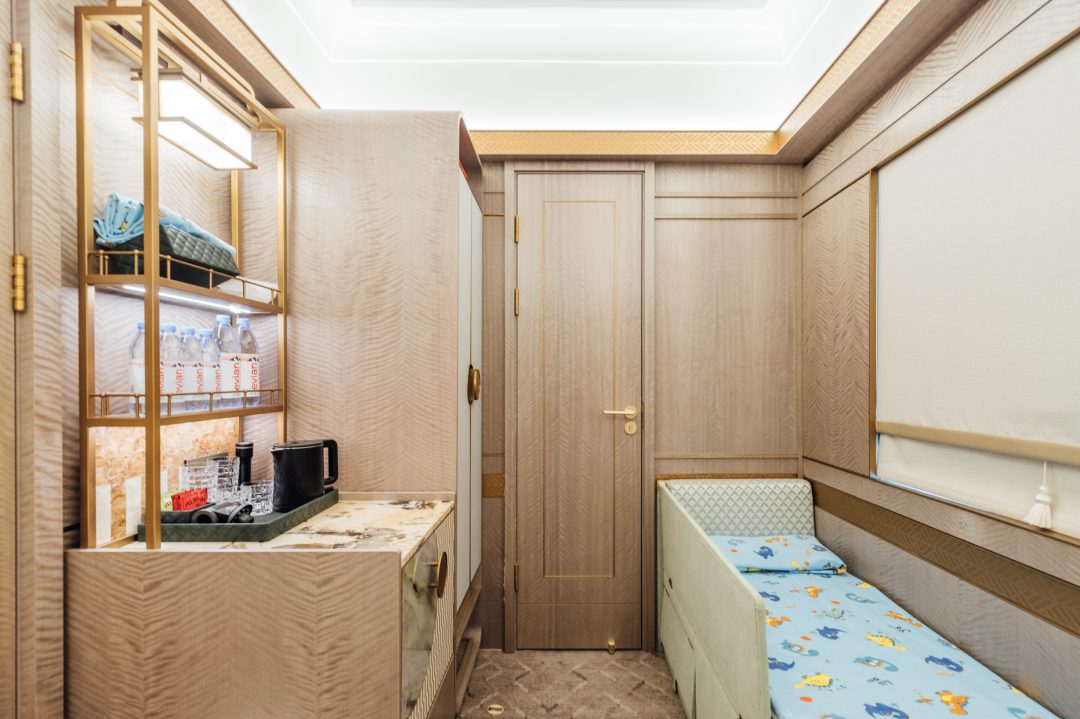
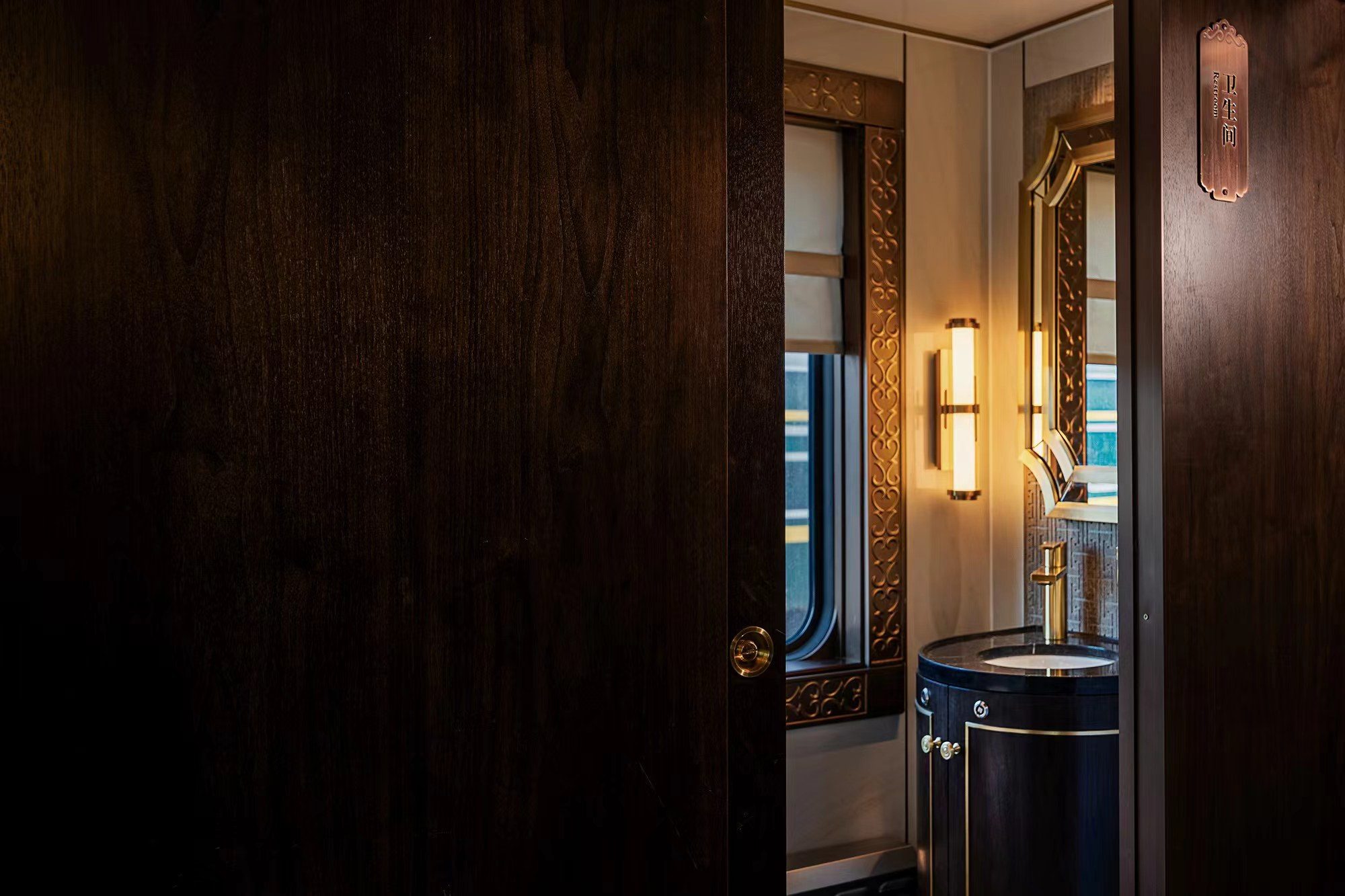
Ancient China by Private Train crosses the whole width of the country, from Urumqi in Xinjiang to Beijing, aboard the Golden Eagle Silk Road Express — a purpose-built private train and the newest in the fleet.
The route follows the northern Silk Road in reverse, linking the oasis towns of the Taklamakan desert with the imperial capitals of the east. You reach Kashgar and Hotan, which almost no rail itinerary includes, and finish with the Terracotta Army at Xi'an and the Great Wall at Badaling. Between them lie the Mogao Caves at Dunhuang, a camel trek to Crescent Lake and the salt flats of Golmud on the edge of the Tibetan plateau.
- ✦Kashgar and Hotan, rarely reached by rail
- ✦The Karez and the rock-cut ruins of Jiaohe at Turpan
- ✦The Mogao Caves and a camel trek to Crescent Lake
- ✦The Terracotta Army and a Tang Dynasty banquet at Xi'an
- ✦The Great Wall at Badaling and Peking duck in Beijing
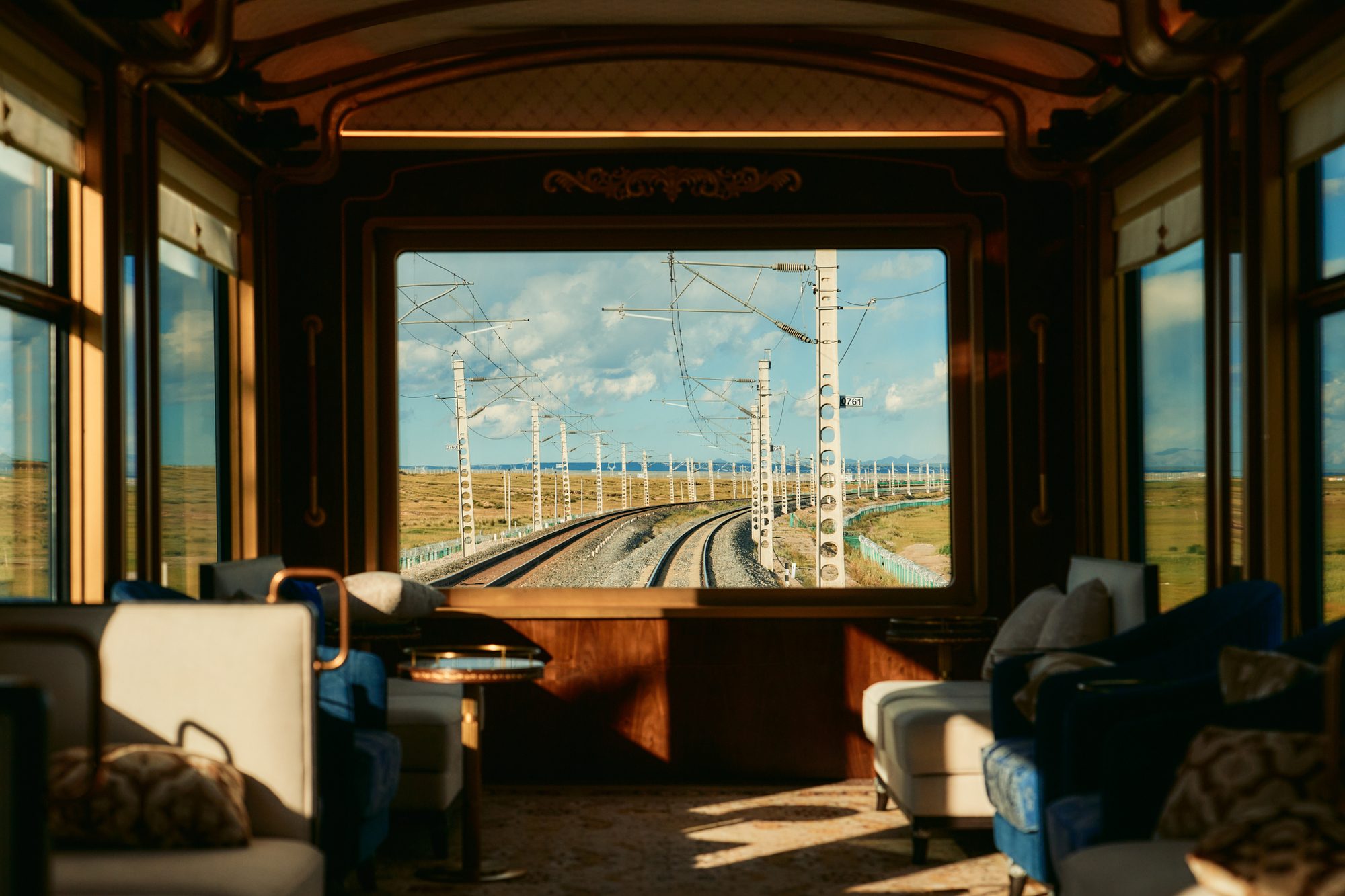
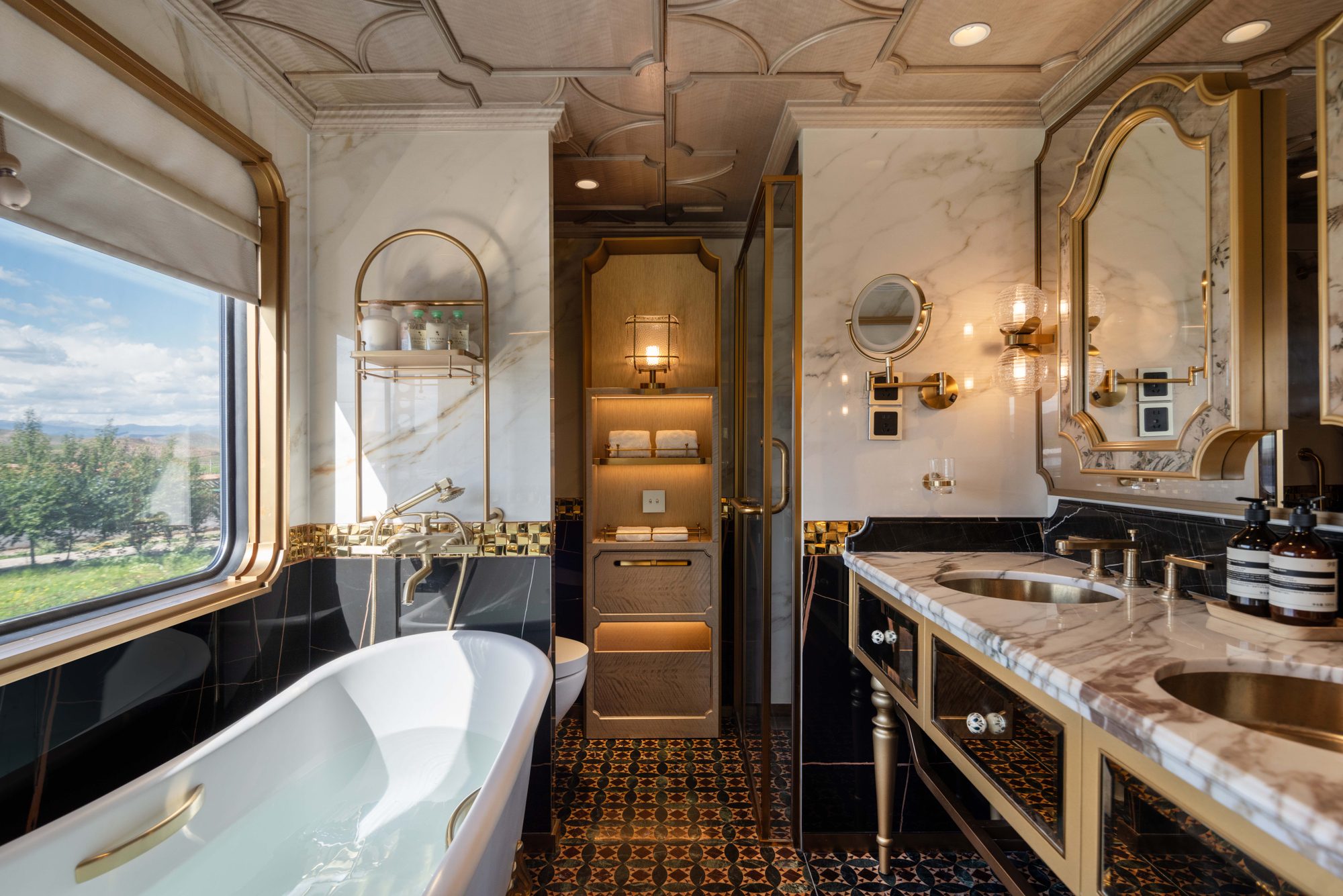
Scenes from the Journey


Day-by-Day Itinerary
Day 1 — Urumqi
Arrive in Urumqi, the capital of Xinjiang and, by most measures, the city furthest from any ocean on earth. It is a genuinely mixed place — Uyghur, Han, Kazakh and Hui — and the energy of that mix is the first thing you notice. Transfer to the Conrad Urumqi, or similar, for one night, and meet your fellow travellers at the welcome reception and dinner.
Day 2 — Urumqi to Turpan: boarding the train
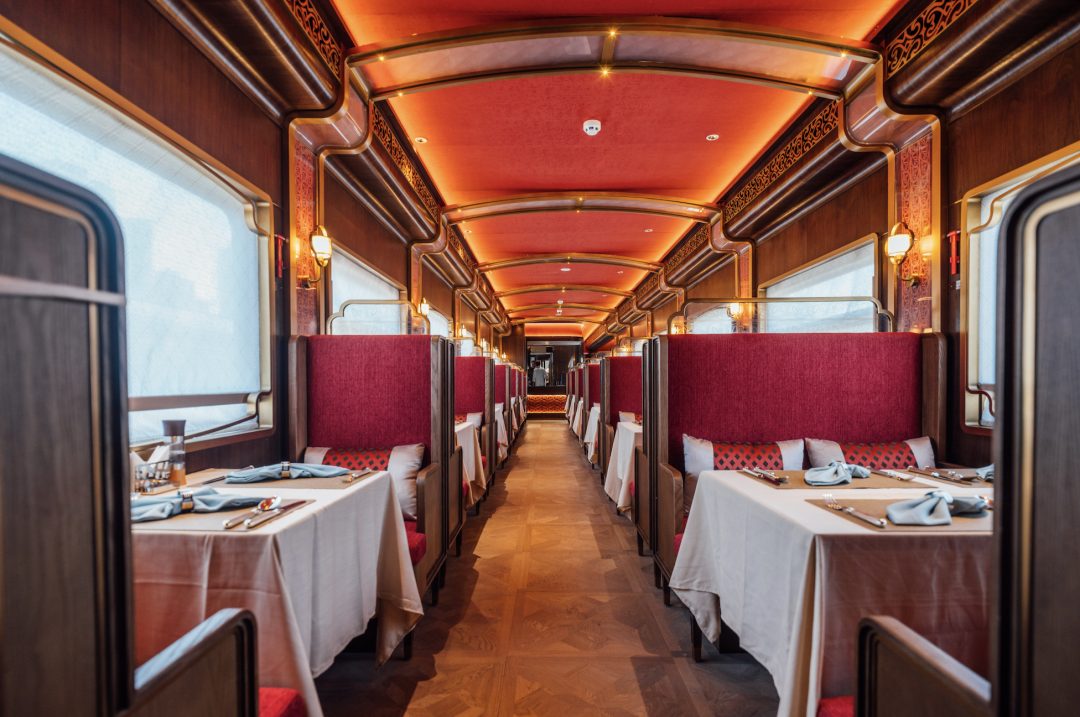
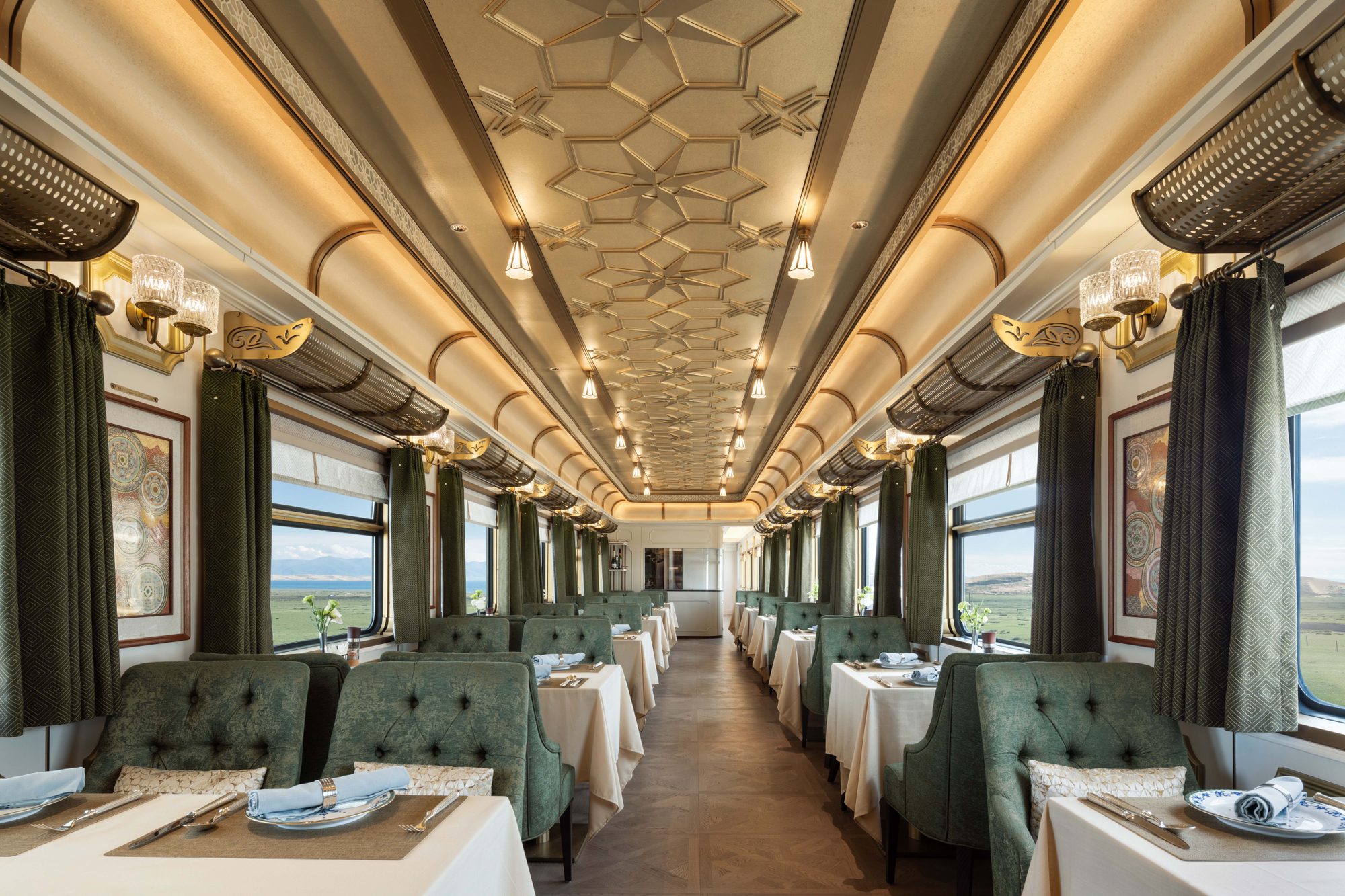
A relaxed morning in Urumqi before you board the Golden Eagle Silk Road Express, your home for the next eight nights. Settle into your cabin over a welcome lunch in the dining car as the train sets off towards Turpan.
Day 3 — Turpan
Turpan sits in a depression more than 150 metres below sea level, and the day explains how people lived here anyway. You visit Gaochang, a trading city of the old Silk Road now weathered down to its foundations; the Karez, an underground irrigation network that has carried meltwater across the desert for centuries and still does; and Jiaohe, a city carved directly out of a rock plateau rather than built on it.
Day 4 — Kashgar
Kashgar has been a meeting point of cultures, languages and faiths for as long as the Silk Road has existed, and it still feels like one. The day begins at the Apak Khoja Tomb, the holiest Muslim site in Xinjiang, then moves into the Old Town, where narrow lanes and the Gaotai folk houses show how the city actually lives. Lunch is Uyghur, in a local restaurant, before the train continues.
Day 5 — Hotan
Hotan was the centre of the Buddhist Kingdom of Khotan, and a tour of the ancient city of Yotkan traces what remains of its temples and its long role as a place where trade and religion arrived together. Afterwards you visit an atlas silk and carpet workshop, where the weaving techniques have been handed down largely unchanged.
Day 6 — Golmud
Golmud sits on the edge of the Tibetan plateau. The day opens with a lecture on the history of the Silk Road and its role as the link between East and West, then you choose: the Chaerhan Salt Lake, a vast pale expanse of salt flats and mineral deposits, or a guided walk through the city.
Day 7 — Dunhuang
The Mogao Caves are the reason Dunhuang is on any itinerary — a UNESCO World Heritage Site of several hundred grottoes, painted and carved over a thousand years and known as the Cave of a Thousand Buddhas. Local musicians play as you move through the complex. After lunch, a camel trek takes you over the dunes to Crescent Lake, a spring-fed oasis that has somehow refused to be buried by the sand.
Day 8 — On board, then Xi'an
A day to do very little. The observation car has the largest windows of any train in China, and the country passes at a pace that suits them; the bar car is the alternative. You arrive at Xi'an in the evening for a Tang Dynasty banquet, served with the music and dance of the period.
Day 9 — Xi'an
Xi'an was the eastern terminus of the Silk Road and the capital of eleven dynasties. You walk the city walls, among the most complete in China, and visit the Great Mosque, where the architecture is Chinese and the function Islamic. Then the Terracotta Army — thousands of life-sized figures buried to guard the first emperor, each one individually modelled. Tonight is the farewell dinner on board.
Day 10 — Beijing
Arrive in Beijing. The classic tour takes in the Forbidden City, where emperors ruled for close to five centuries, Tiananmen Square and the Summer Palace with its lake and gardens. If you would rather see the modern city, the alternative covers the Olympic Village and the Bird's Nest stadium, the CCTV Tower and the National Museum. Afterwards, transfer to the Four Seasons Beijing, or similar, for two nights.
Day 11 — Beijing
A morning at the Great Wall at Badaling, on a restored section where you can walk a good distance and see how the wall follows the ridgelines. The afternoon is yours. In the evening, Peking duck at one of the city's celebrated specialists, carved at your table.
Day 12 — Beijing
Transfers to Beijing airport for onward flights. If you would like to stay longer in Beijing, or add Shanghai or Hong Kong, we are glad to arrange it.
Destinations & Highlights
- Urumqi — Xinjiang's capital, a meeting of Uyghur, Han, Kazakh and Hui.
- Turpan — Gaochang, the Karez irrigation network and the rock-cut city of Jiaohe.
- Kashgar — The Apak Khoja Tomb, the Old Town and the Gaotai folk houses.
- Hotan — The ancient city of Yotkan and an atlas silk and carpet workshop.
- Dunhuang — The Mogao Caves and a camel trek to Crescent Lake.
- Xi'an — The city walls, the Great Mosque and the Terracotta Army.
- Beijing — The Forbidden City, the Great Wall at Badaling and Peking duck.
Ancient China by Private Train: Your Questions Answered
How is the journey divided?+
What is the route?+
Why are Kashgar and Hotan unusual?+
What will I see at Turpan?+
What happens at Dunhuang?+
Is there a day on the train with nothing planned?+
What does Beijing include?+
Which season should I choose?+
What is included?+
Can I extend the trip?+
Ancient China by Private Train
| Departs | Returns | Route | Availability | |
|---|---|---|---|---|
| 2027 | ||||
| Mon 29 Mar 2027 | 9 Apr 2027 | Urumqi to Beijing | Available | Enquire |
| Sat 11 Sep 2027 | 22 Sep 2027 | Urumqi to Beijing | Available | Enquire |
Dates are as published by the operator and are subject to change and availability. We confirm your cabin and the final fare when you enquire.
Join the waitlist
This departure is currently sold out. Leave your details and our concierge will contact you the moment space becomes available.